Fabrication starts before the first sheet reaches a machine
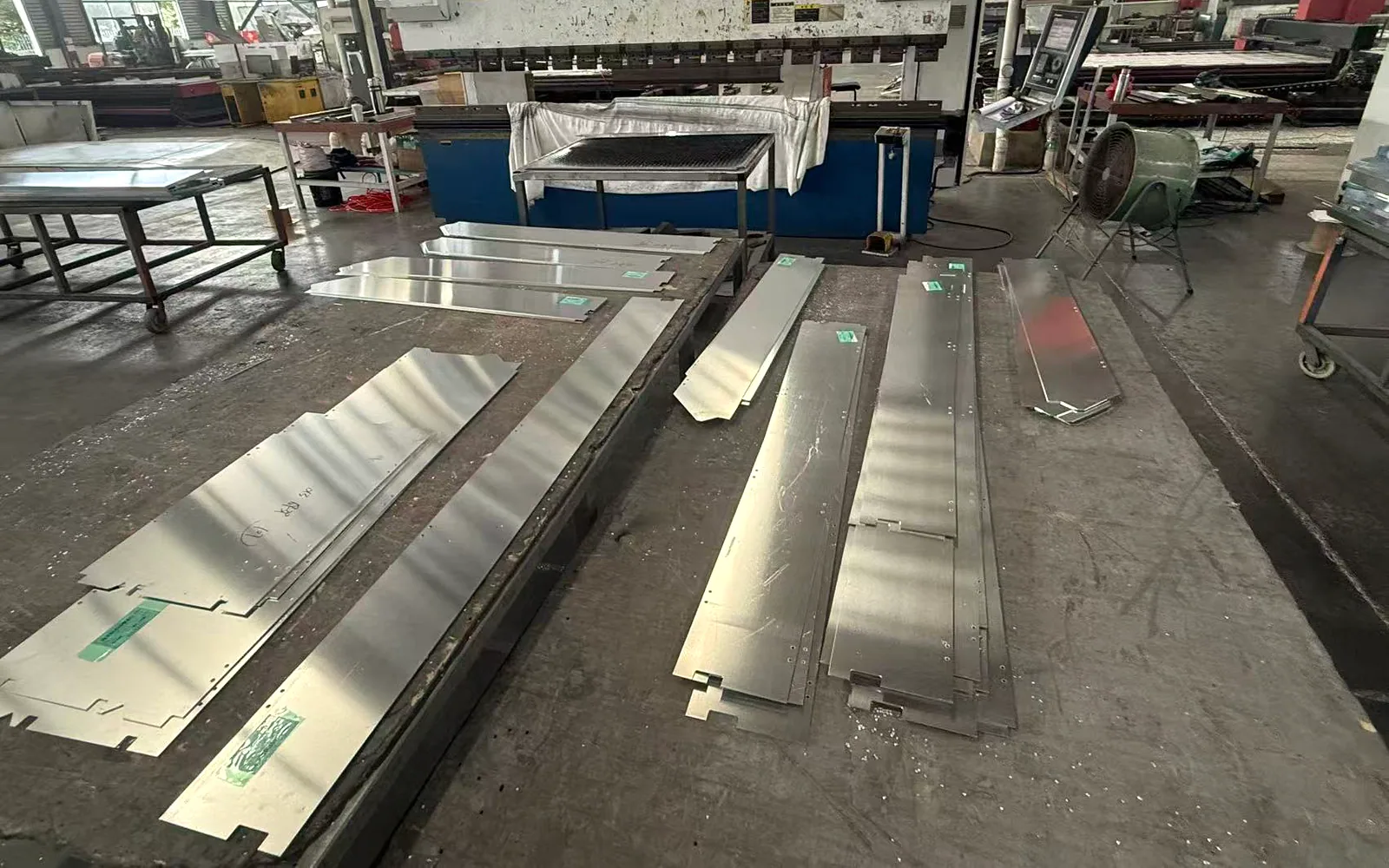
Production equipment can repeat an approved process, but it cannot resolve an unclear project requirement. Before cutting or bending begins, the manufacturer and project team need a common understanding of geometry, finish, fixing interface and delivery plan.
One small misunderstanding in drawings or specifications may cause delays during production or installation. The earlier it is identified, the easier it is to resolve without affecting finished material.
One small misunderstanding in drawings or specifications may cause delays during production or installation.
Drawing review connects design intent with fabrication
A practical drawing review looks beyond the front elevation. It checks how the panel is formed, how adjacent pieces meet, where brackets or fixing tabs are located and which dimensions control the finished component.
- Panel thickness and material specification
- Return depths, bend directions and corner construction
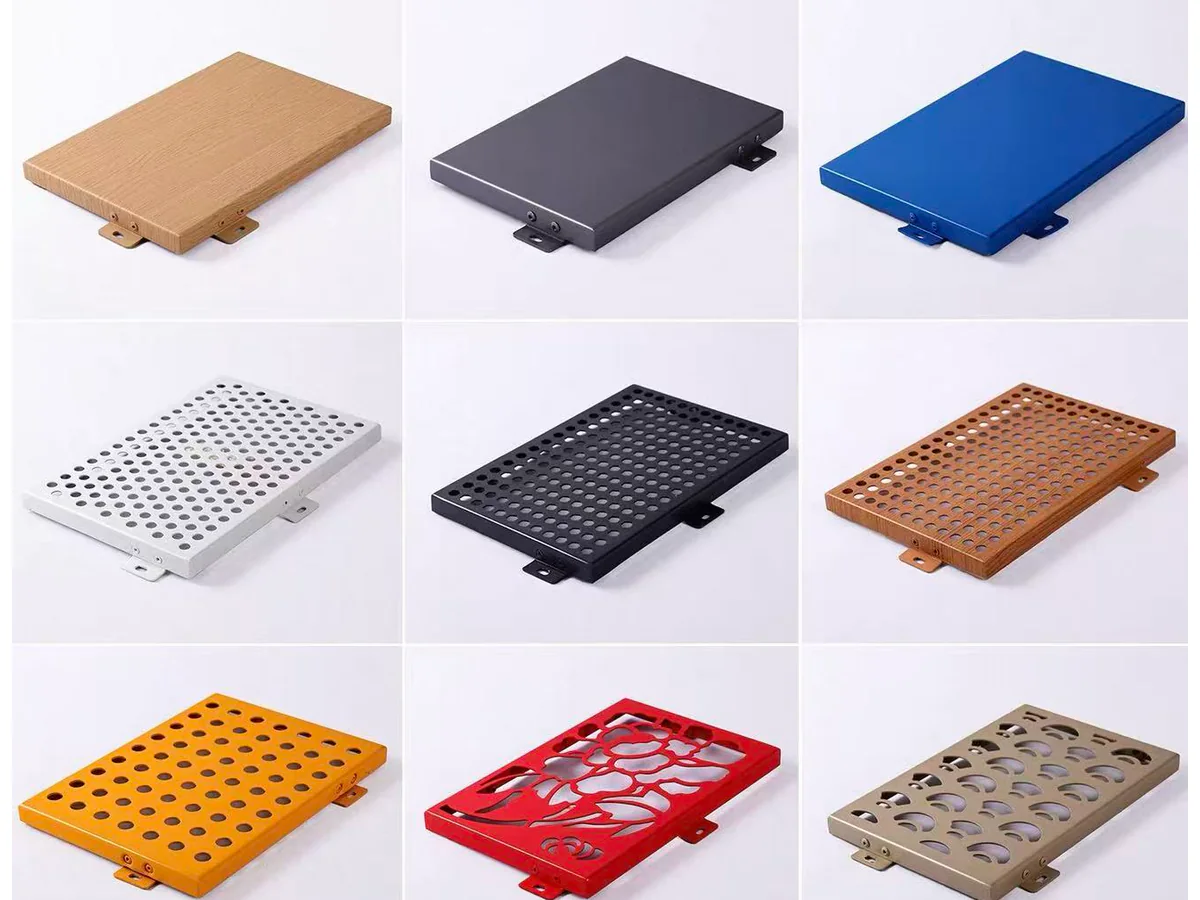
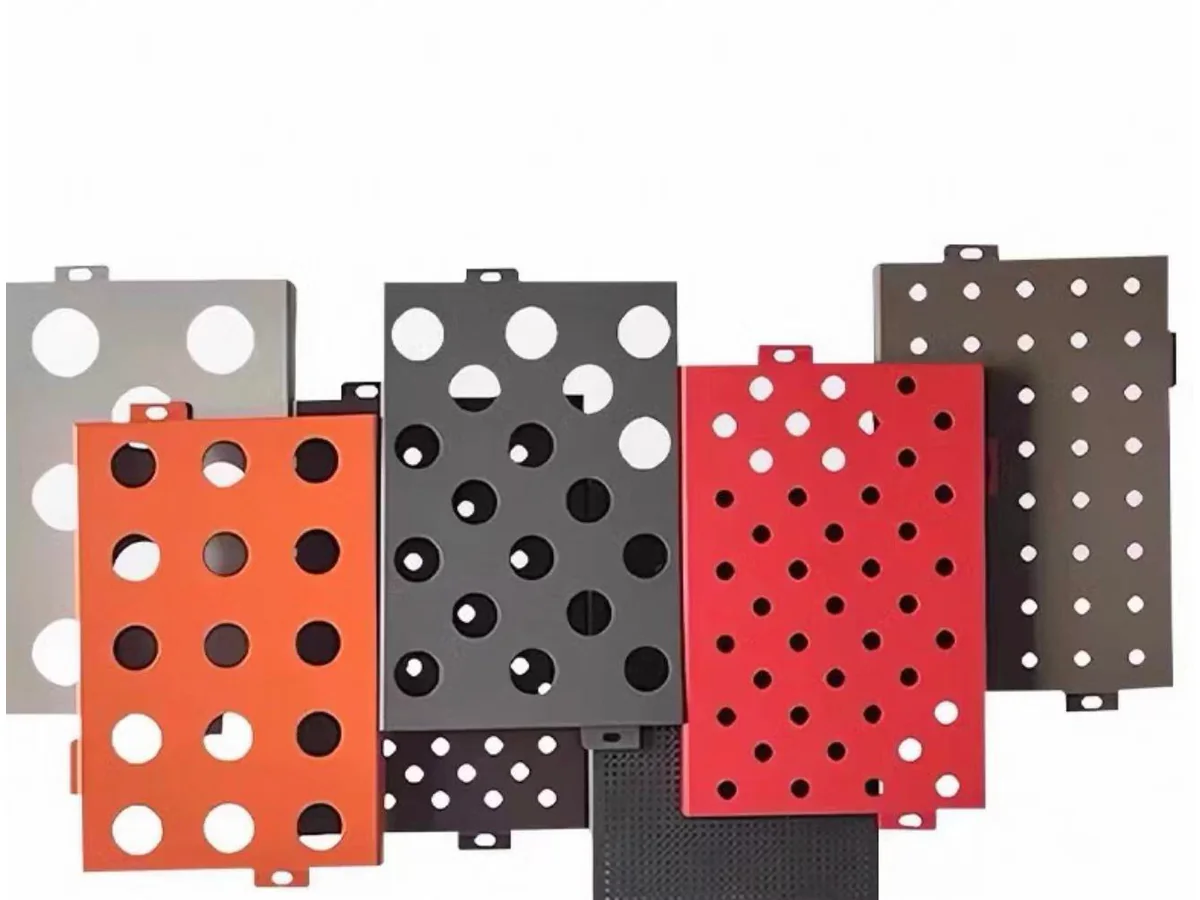
- Perforation pattern, margins and orientation
- Fixing method, bracket interface and installation access
- Curved geometry, templates and tolerance-sensitive areas
Colour and surface finish need a clear approval route
Colour names alone are rarely enough for project control. The team should identify the reference standard, finish system, gloss or texture expectations and the process for approving a physical sample.
The final finish should follow the approved project specification and sample. If the environment or performance requirement is unclear, it should be confirmed before selection.
Numbering and packing should follow the installation plan
Panel numbers connect drawings, production records, labels, packing lists and installation sequence. Packing should protect finished faces and help the site team locate the correct panels without unnecessary rehandling.
- Confirm the panel schedule and unique mark
- Agree label position and information
- Group panels by elevation, floor, zone or sequence
- Define face, edge and corner protection
A controlled production release reduces avoidable changes
Before production, the project team should identify which drawings and specifications are approved for manufacture. Revisions need clear version control, especially when quantity, colour areas, perforation or fixing details have changed.
Delivery dates should be linked to approved information, material availability and the agreed inspection process.