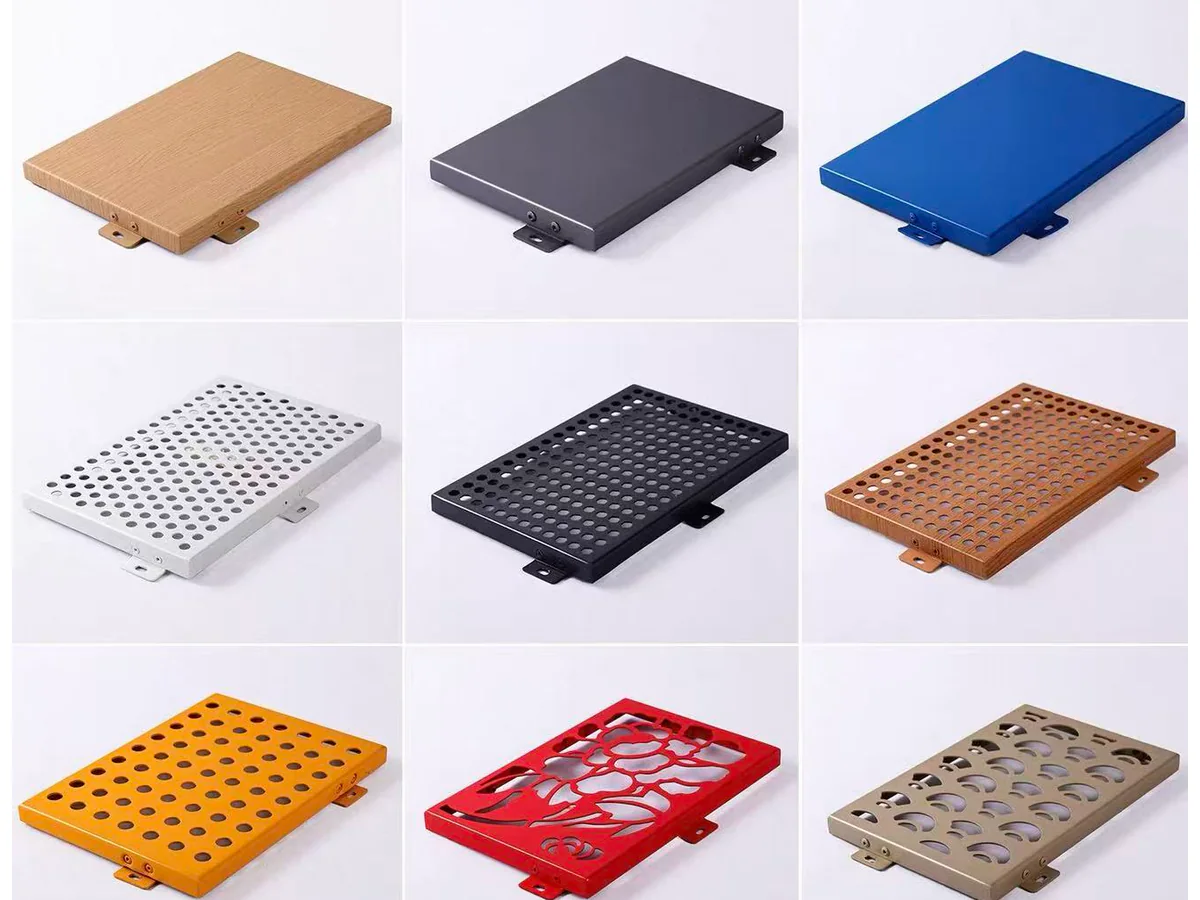
Solid Aluminium Panels vs ACP: Which Is Better for Facade Projects?
A practical comparison of material construction, fabrication, appearance, specification and project suitability for two widely used facade products.
Read insight →
Insights
Practical knowledge about custom aluminium facade panels, cladding systems, surface finishes and project-based fabrication.
Written for facade contractors, project managers, technical offices, estimators and procurement teams.
Engineering notes
Clear, project-focused explanations of quotation inputs, drawing coordination, finishes, panel identification and manufacturing details.
A practical comparison of material construction, fabrication, appearance, specification and project suitability for two widely used facade products.
Read insight →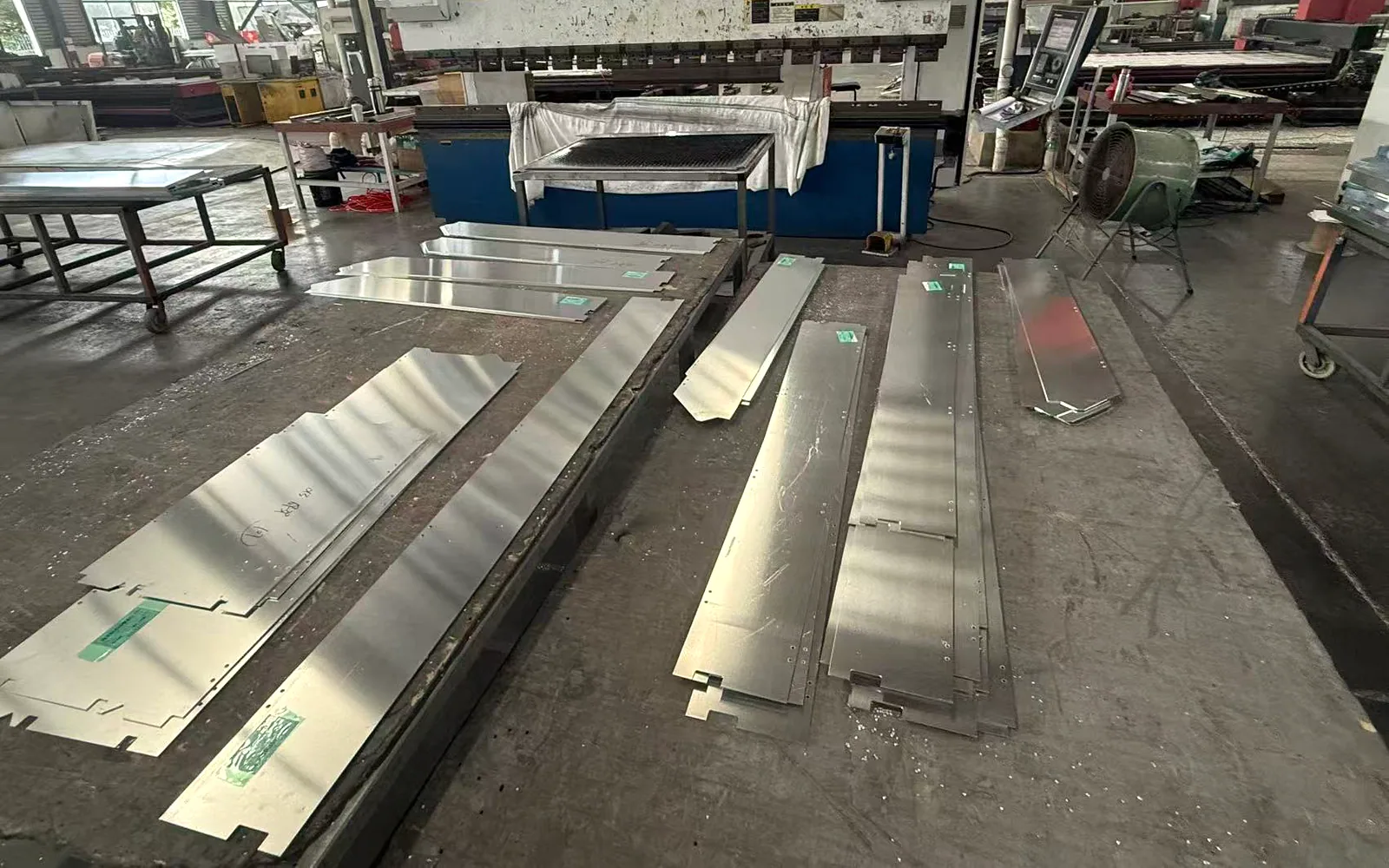
A clear quotation requires panel dimensions, material construction, quantities, fabrication details, finish, schedule and a controlled drawing revision.
Read insight →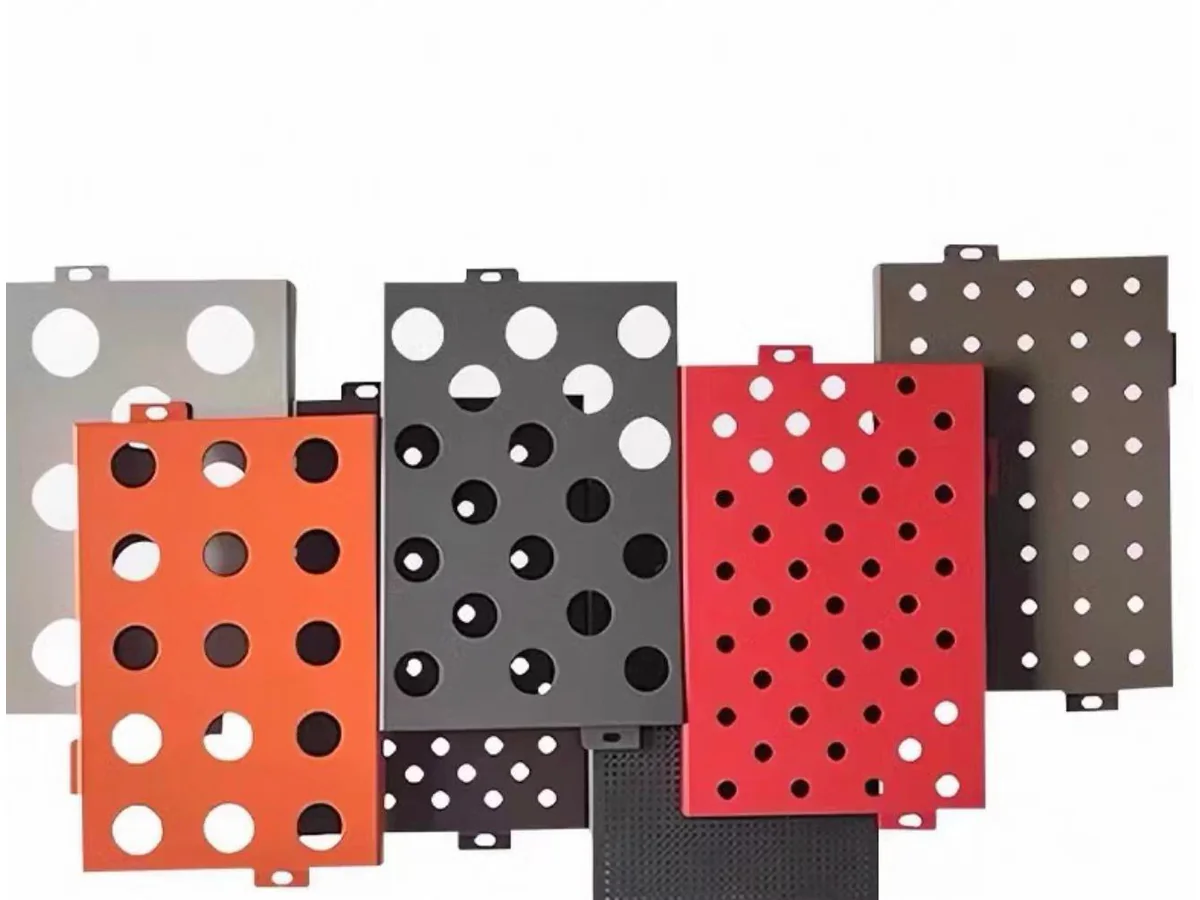
Hole pattern, open area, panel dimensions, bends, fixings and finish must be coordinated before a perforated facade panel is released for production.
Read insight →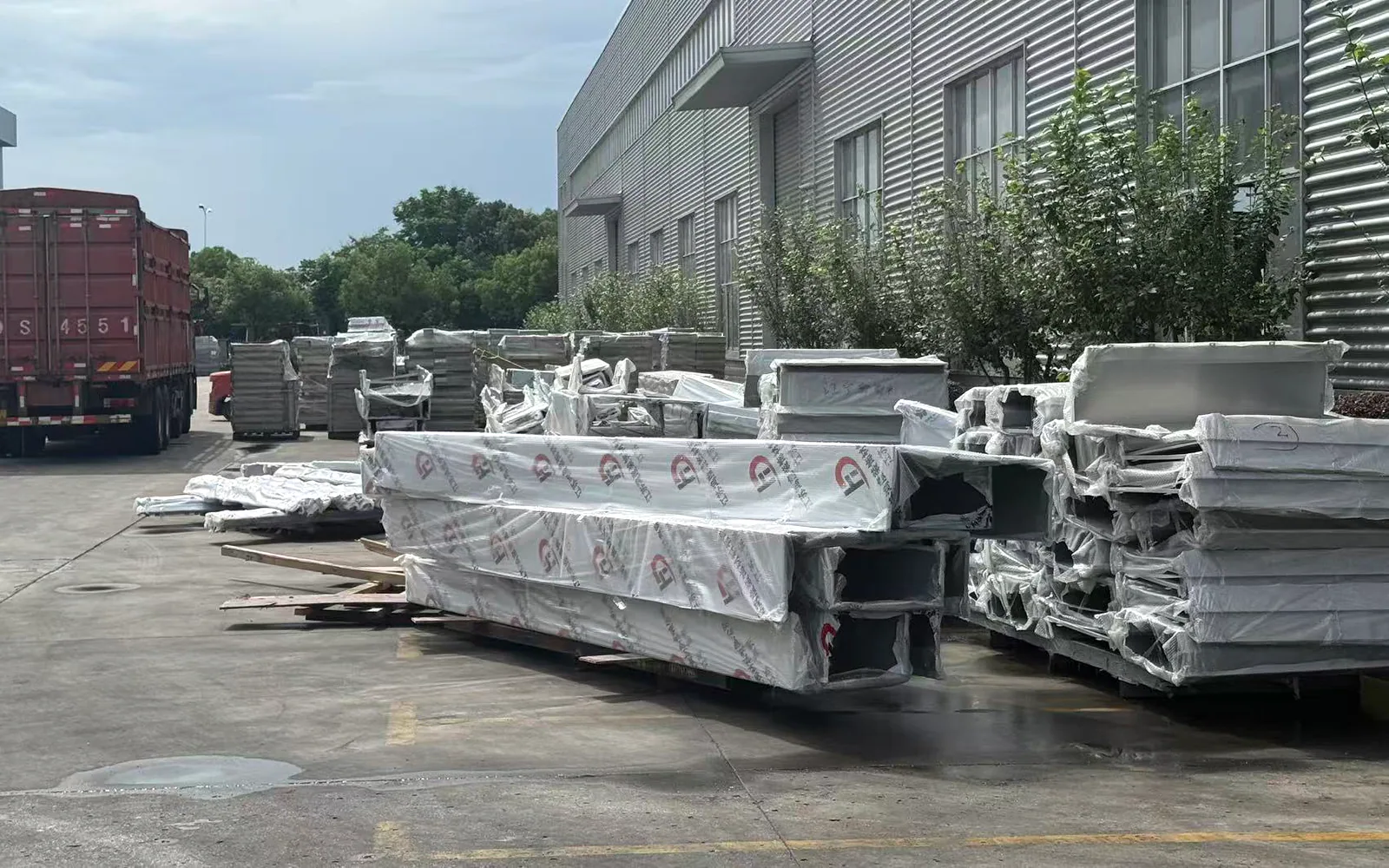
Panel codes, surface protection, package grouping and clear records help customised facade panels arrive organised for site handling.
Read insight →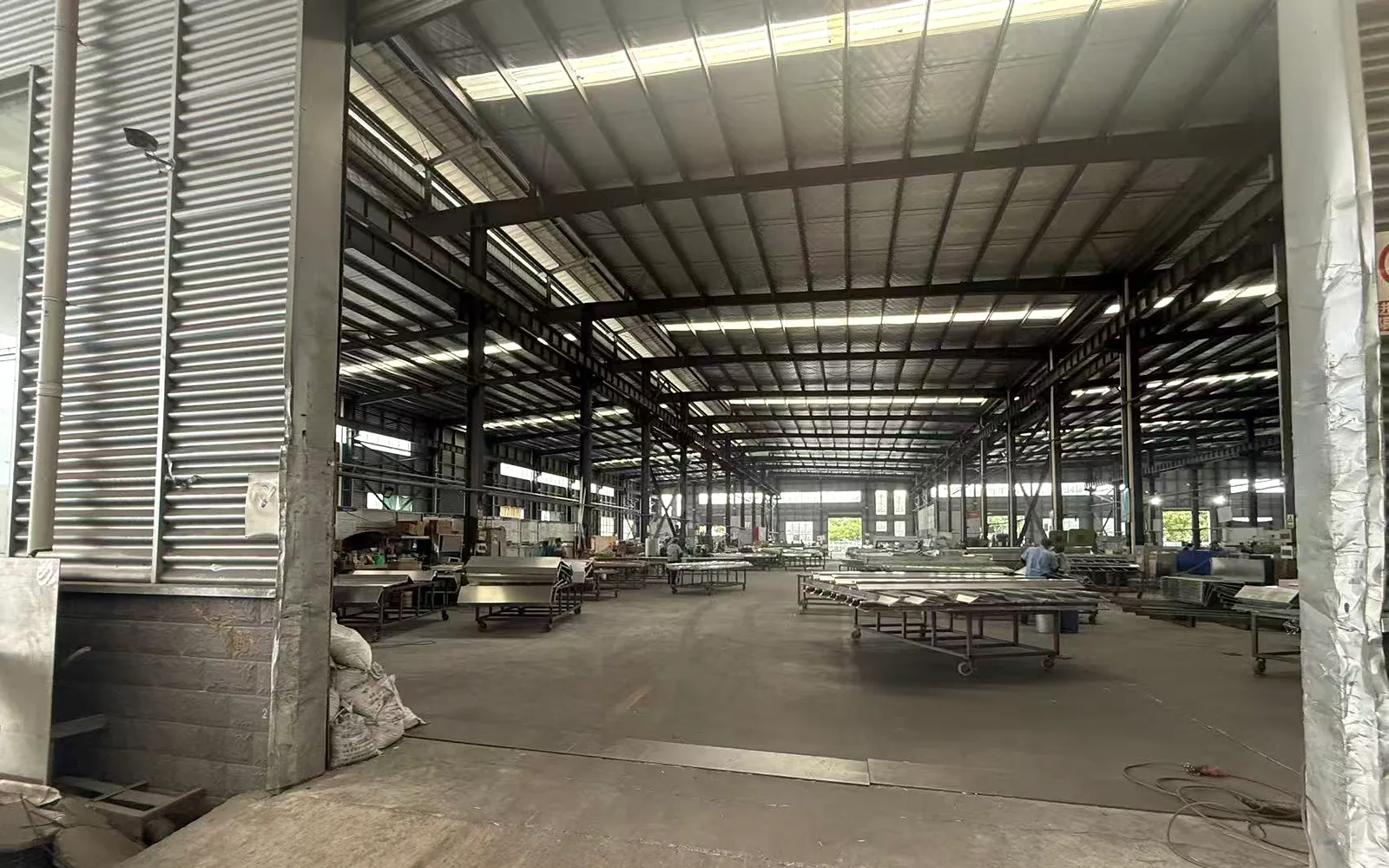
Compare drawing communication, practical fabrication scope, quotation assumptions, quality checkpoints, identification and packing—not price alone.
Read insight →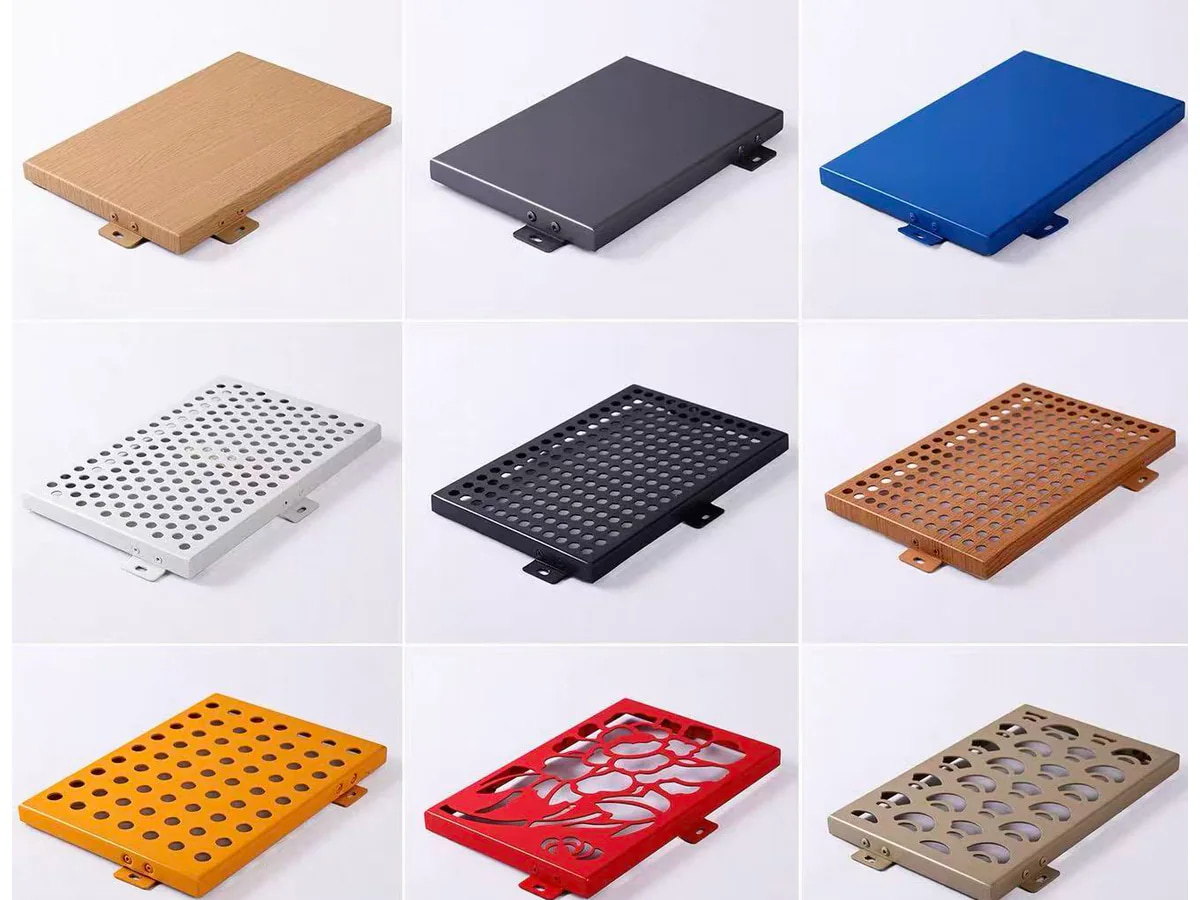
Dimensions are only the starting point. Fabrication details, finish, fixing, packing and project logistics can change the real production cost.
Read insight →Good fabrication begins with a shared understanding of drawings, finishes, fixing, numbering, packing and the installation sequence.
Read insight →A clear panel number links design information to production, labels, packing, delivery and the final installation position.
Read insight →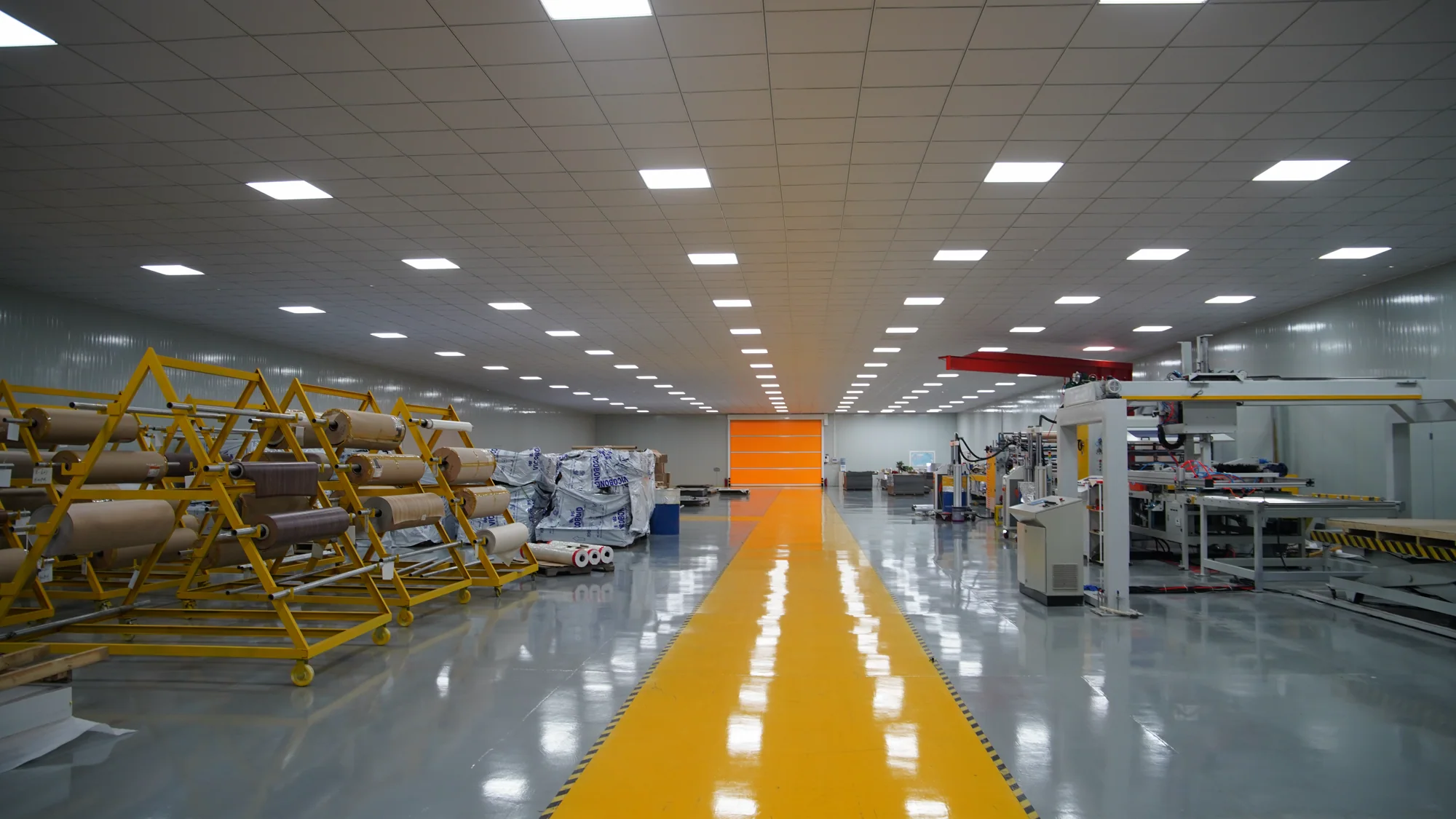
Neither finish is automatically right for every project. Selection should follow exposure, durability, design, budget and specification requirements.
Read insight →Perforated panels can support ventilation, shading, privacy and visual identity—but design intent must remain manufacturable.
Read insight →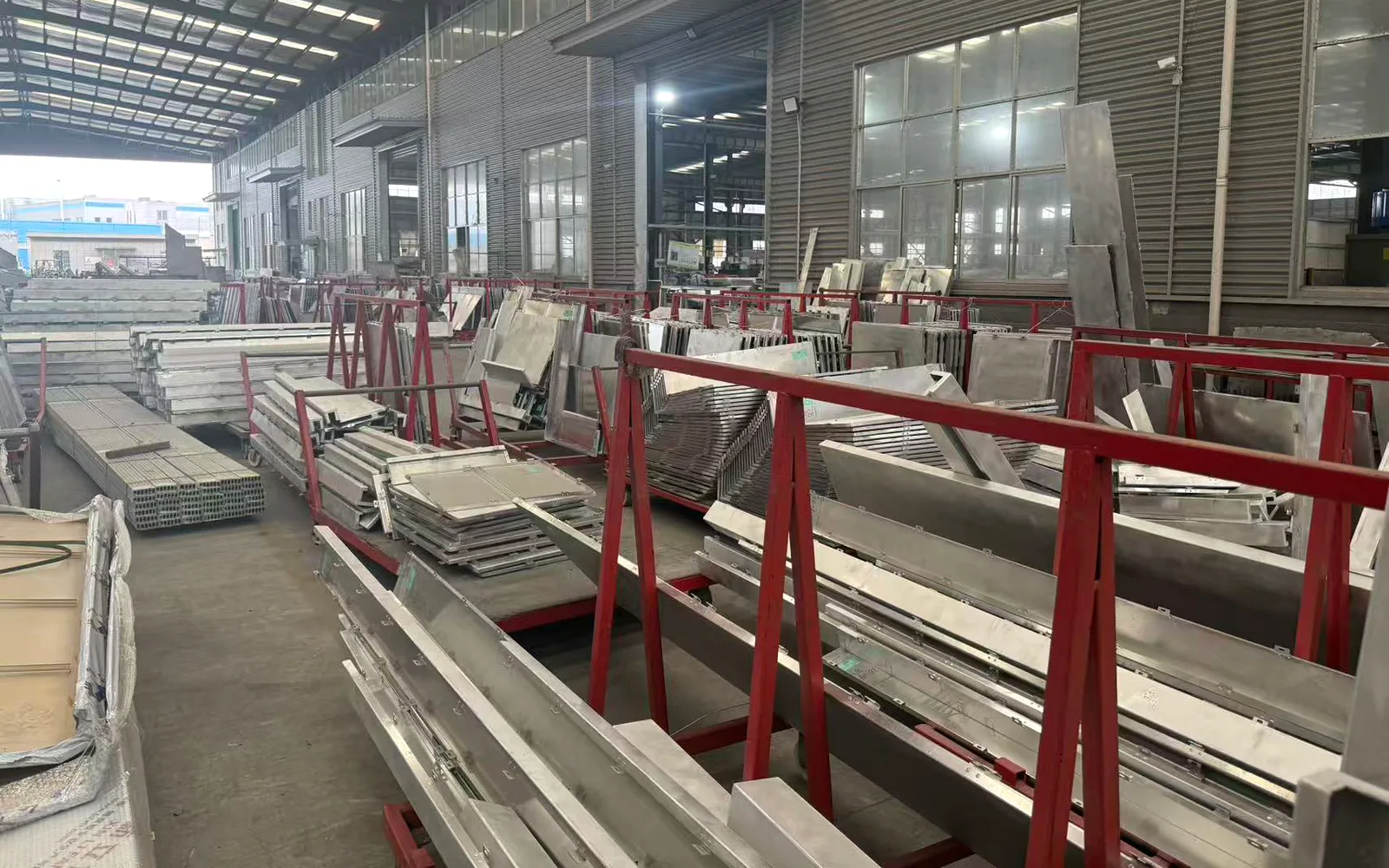
A complete RFQ helps manufacturers review the same scope, identify assumptions early and prepare a more useful project quotation.
Read insight →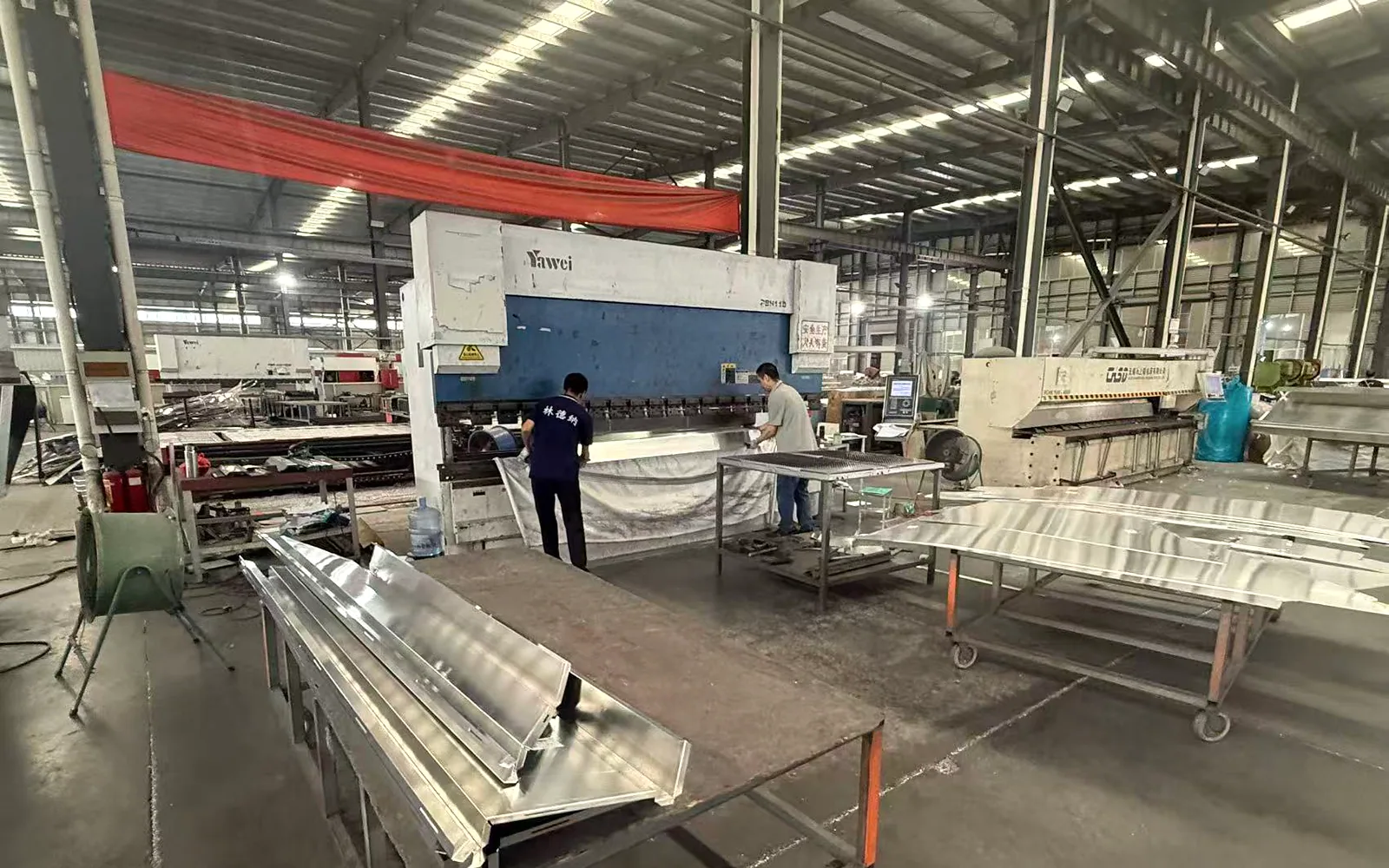
A tolerance is useful only when it relates to the panel geometry, fixing interface, joint strategy and agreed inspection method.
Read insight →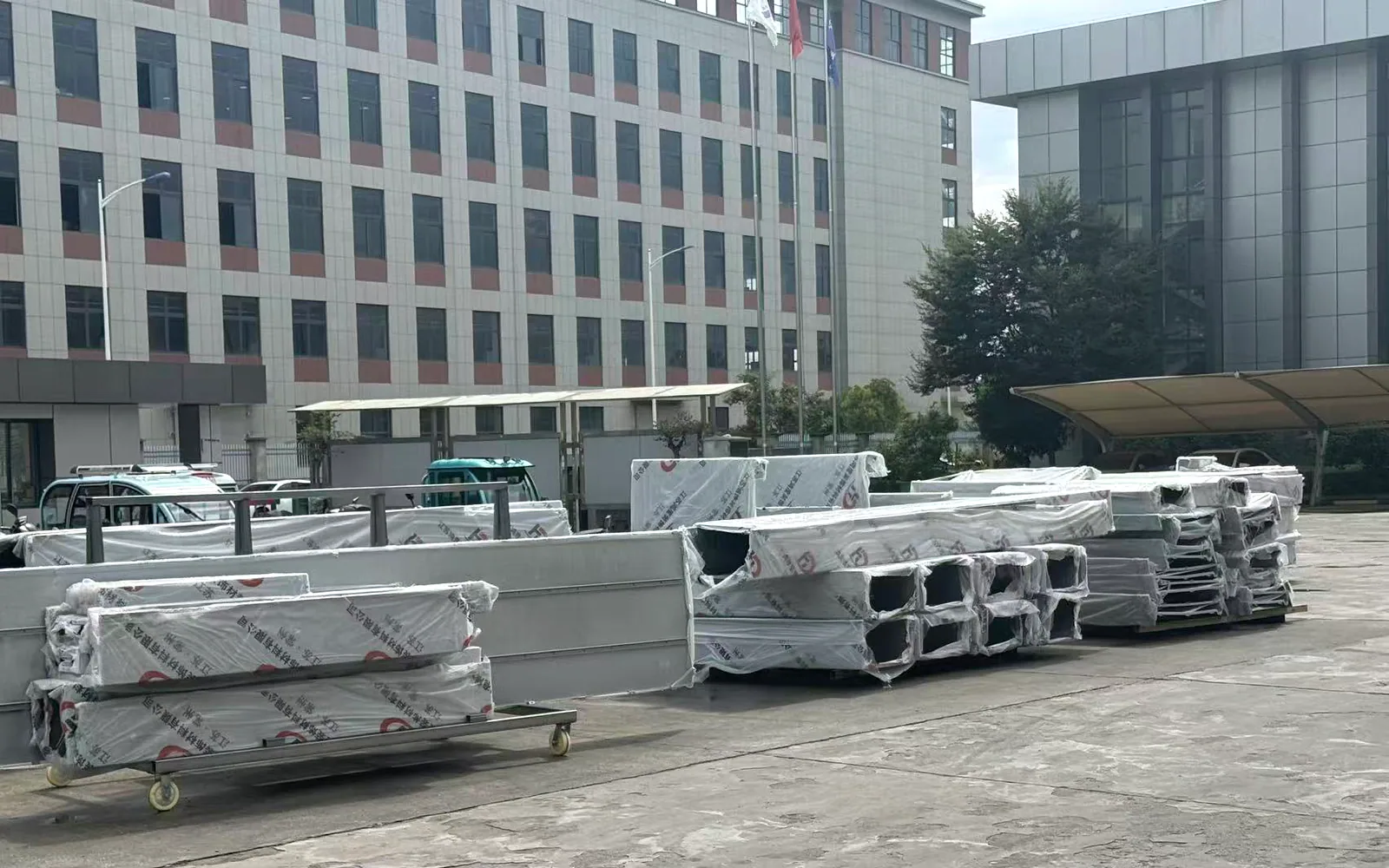
Export packing should protect finished panels and help the site team identify the correct material without unnecessary rehandling.
Read insight →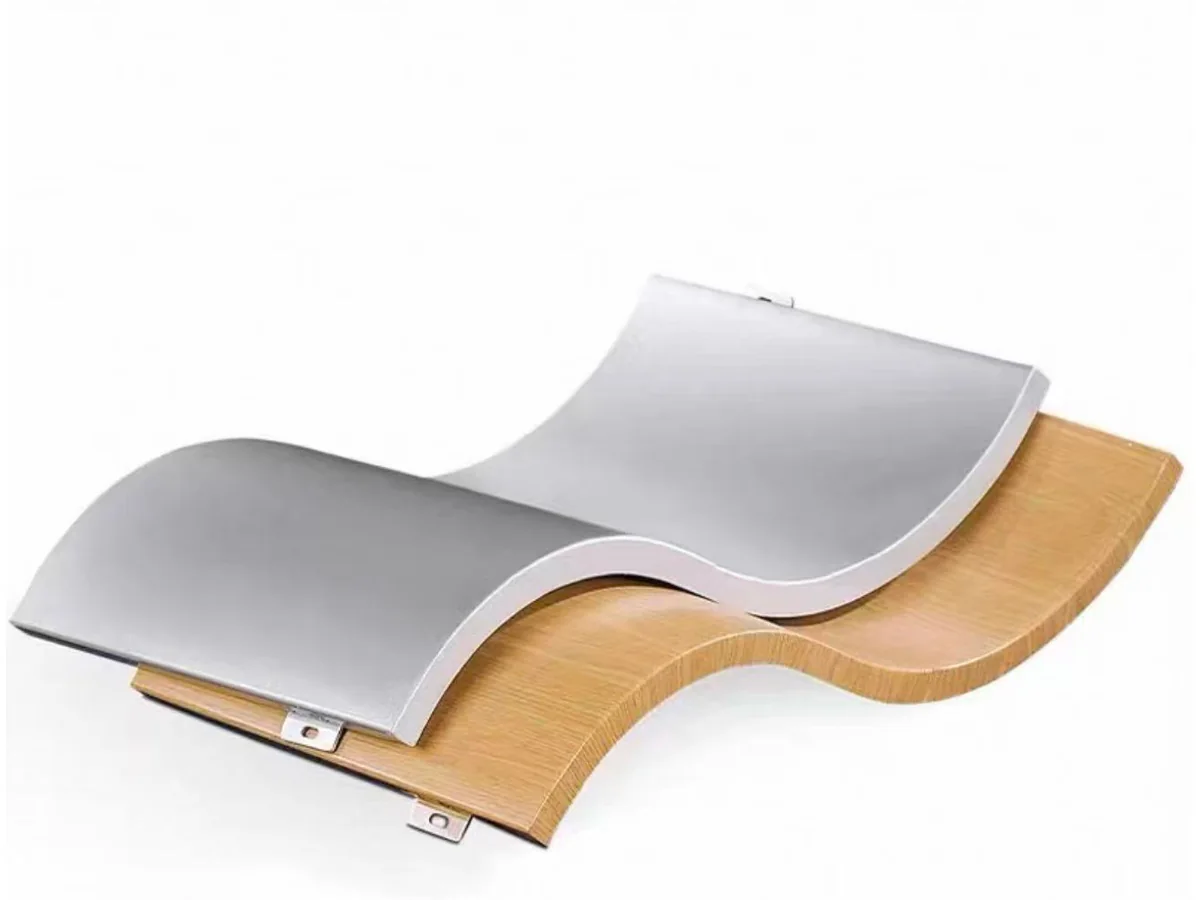
Curved and special-shaped panels need clear geometry, practical segmentation and an approval method that connects design intent with fabrication.
Read insight →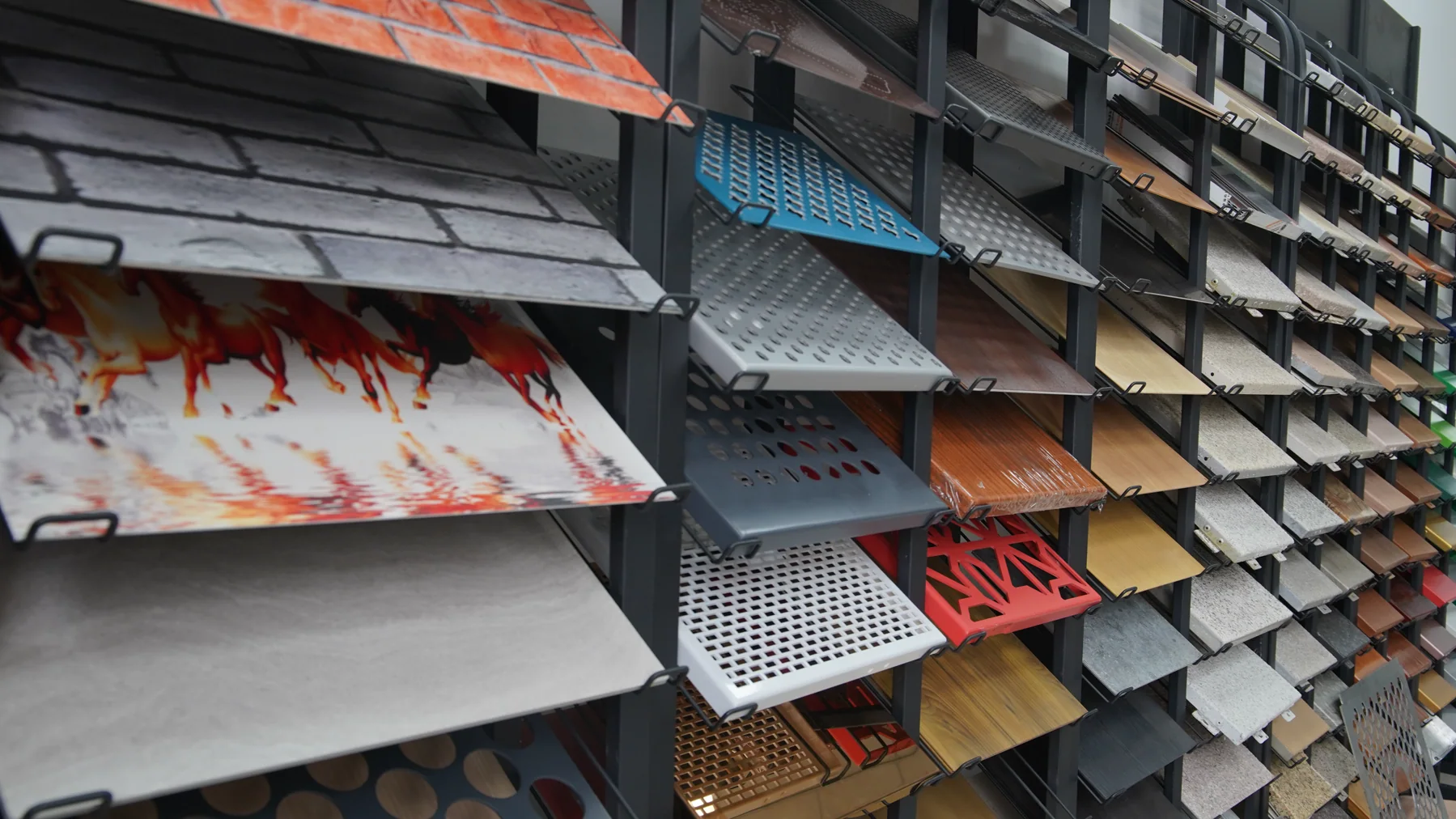
A sample is useful when the project team agrees what it is intended to approve: colour, finish, fabrication detail, assembly or overall appearance.
Read insight →Project inquiry
Send the panel drawings, finish specification, quantity and delivery location for a practical fabrication discussion.