Start with the project requirement, not a universal ranking
Solid aluminium panels and aluminium composite panels, usually called ACP, are both widely specified for commercial building facades. They can create a clean architectural surface, but they are not interchangeable products. Their material construction, fabrication methods, edge details and quotation inputs are different.
The better option depends on the approved facade design, panel dimensions, fixing concept, required appearance, performance criteria and budget. Procurement teams should compare proposals against the same specification instead of assuming that the word ‘aluminium’ describes the same scope. Our custom aluminium panel range shows several real examples of drawing-based panel fabrication.
Material selection should follow the project consultant's approved requirements and the complete facade specification.
What is a solid aluminium facade panel?
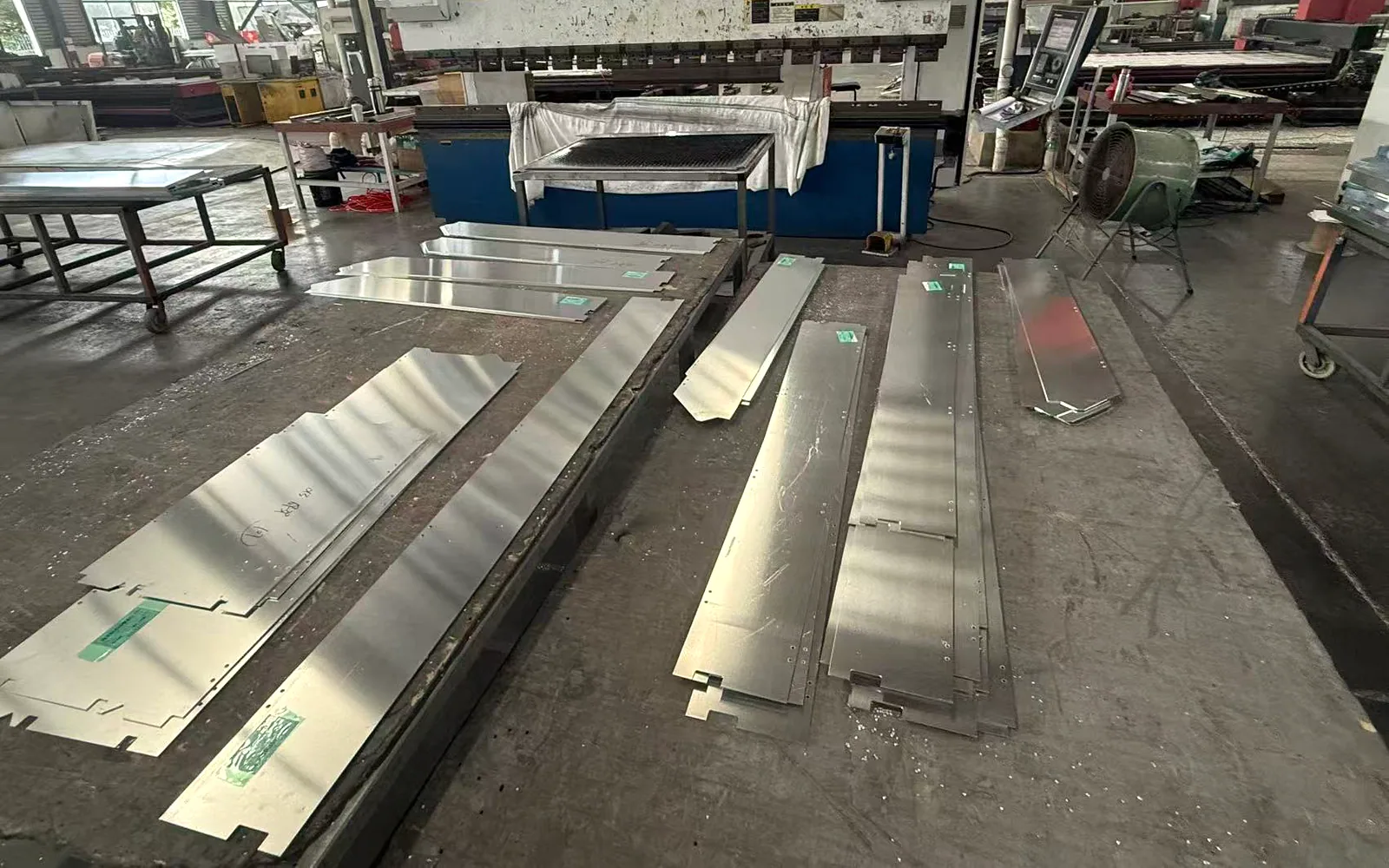
A solid aluminium facade panel is fabricated from a single aluminium sheet or plate. For project-based work, the material can be cut, punched, conventionally folded, welded where the detail requires it, prepared and finished according to approved fabrication information.
Because the face, returns, corners and openings are formed from solid sheet, this product gives the manufacturer considerable flexibility for custom dimensions and project-specific details. Practical geometry still depends on alloy, temper, thickness, bend radius, finish, tolerances and the visible-surface standard.
- Exterior wall cladding and soffits
- Column covers, parapets and entrance canopies
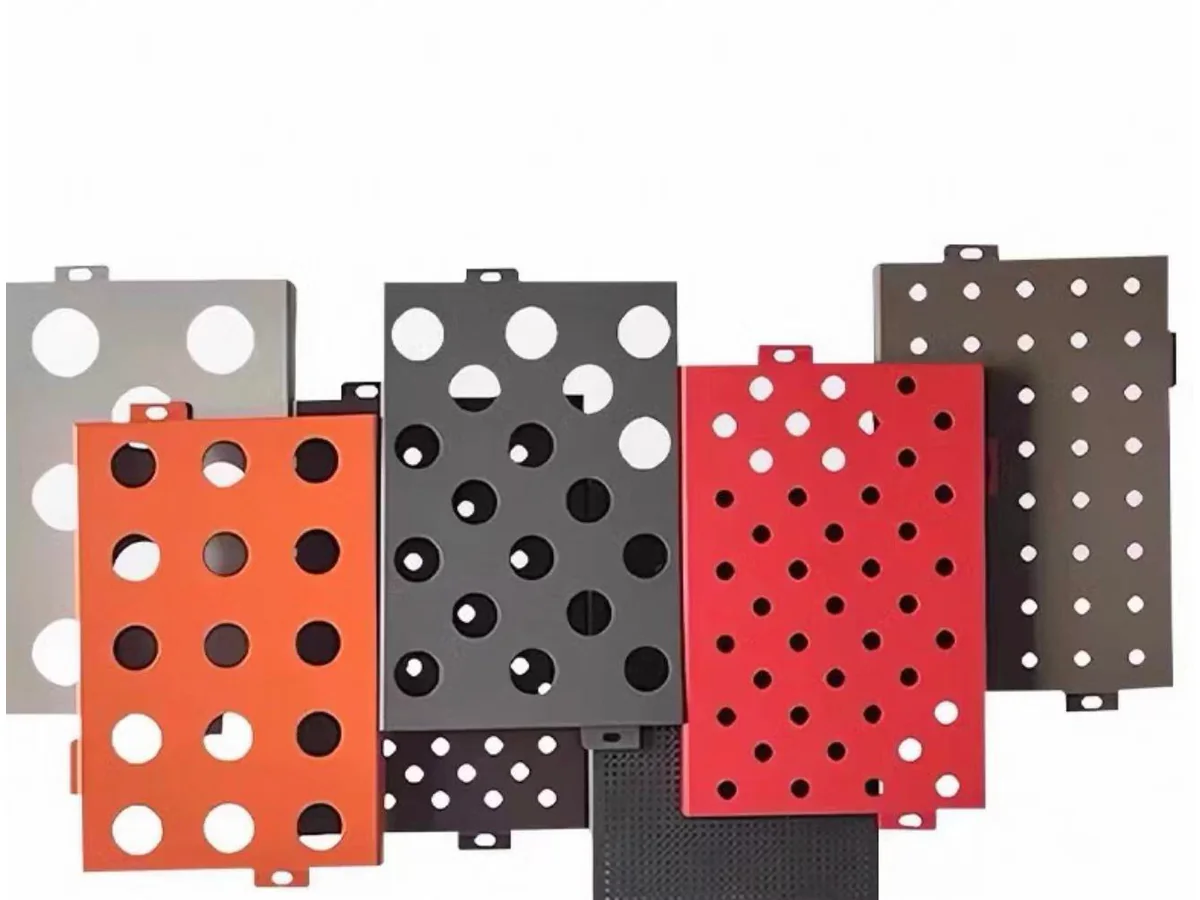
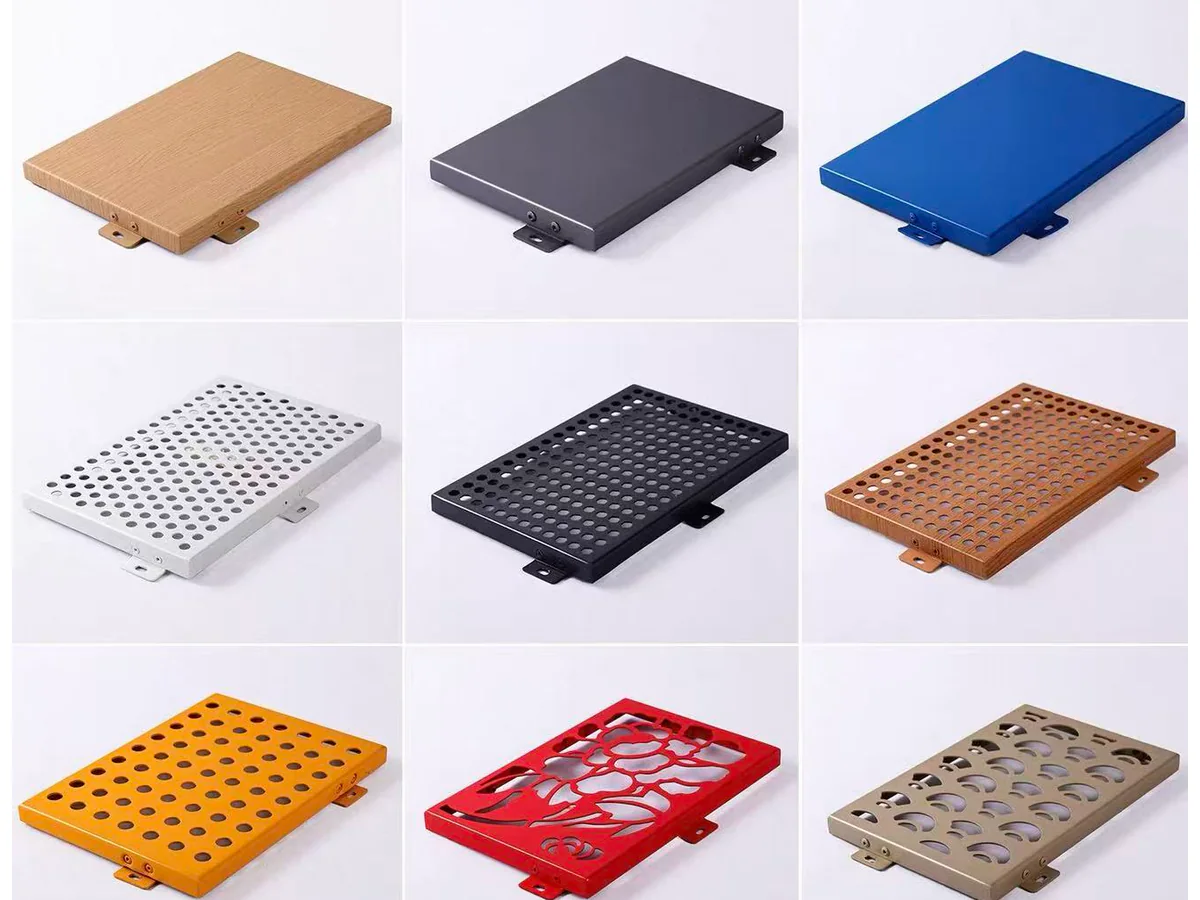
- Perforated or decorative facade screens
- Folded cassettes and project-specific edge details
- Interior architectural metalwork
Where solid sheet can be useful
Solid aluminium is often considered when a design needs customised folded returns, welded corner conditions, perforation, cut-outs or non-standard panel geometry. That flexibility does not remove the need for engineering review: support spacing, reinforcement, joints and fixings remain part of the responsible facade design.
What is ACP?
ACP means aluminium composite panel. Instead of one solid sheet, it is a layered product with an aluminium skin, a core material and a second aluminium skin. The stated overall thickness and the thickness of each aluminium skin are separate specifications and should both be clear in a quotation.
ACP is widely used where a flat, consistent architectural appearance and efficient coverage of larger areas are important. The specified core type, panel construction, routing detail, exposed-edge treatment and complete wall assembly must follow project and local requirements.
- Commercial building facades
- Retail and renovation cladding
- Flat or folded cassette areas
- Interior wall applications
- Signage and architectural feature zones
ACP details are product-specific
ACP is commonly cut, routed, grooved and folded. The routing depth, remaining skin, return size and corner treatment need ACP-specific fabrication details. A detail prepared for solid sheet should not be transferred to ACP without review.
Fabrication differences affect the design and quotation
Solid aluminium production can include CNC cutting, punching, perforation, conventional bending, welding, grinding, surface preparation and finishing. The sequence depends on the panel. Welding and finishing may require particular control when the finished surface must remain visually consistent.
ACP fabrication normally centres on cutting, routing, grooving and folding the composite sheet. Corners may be assembled rather than welded as solid aluminium would be. Tooling, waste factors, handling and edge requirements therefore differ between the two materials.
Accurate comparison begins with approved project drawings. Elevations alone may show the appearance, but developed panel details and schedules reveal the operations that determine manufacturing cost.
Appearance depends on more than the material name
Both products can create a modern aluminium-clad facade, and both may be available with project-specified architectural finishes. Panel module, joint width, edge construction, finish colour, gloss, texture, direction and support conditions all influence the result.
ACP is often selected for broad flat areas. Solid aluminium can be useful for deeper returns, perforation and fabricated special details. Large flat faces, however, still require careful review for support, movement and visual flatness; simply choosing a thicker solid sheet does not solve an unsuitable layout.
Samples should match the proposed construction
Colour chips help with finish selection, but a representative fabrication sample is more useful when the project team needs to review folds, corners, joints, perforation or a directional finish. The approved sample should identify which material construction it represents.
Performance requirements belong to the complete facade system
Material selection may involve fire requirements, wind pressure, movement, impact, durability, maintenance and local building rules. ACP core classification can be a critical part of the specification. Solid aluminium is a non-composite sheet, but that fact alone does not establish the performance of the complete wall.
Insulation, membranes, cavity barriers, subframing, joints, sealants and fixings also contribute to the facade assembly. The responsible architect, facade consultant and engineers should define and approve the system criteria. A panel manufacturer should manufacture to that approved information rather than present material selection as a complete system design service.
Cost should be compared on an equivalent scope
ACP can be commercially efficient for suitable flat cladding areas, while solid aluminium may be the practical choice where fabrication complexity or edge construction favours solid sheet. A responsible cost comparison includes more than the price per square metre.
- Material construction and thickness
- Panel sizes, quantities and production waste
- Flat, perforated, folded or welded fabrication
- Surface finish and sample approval
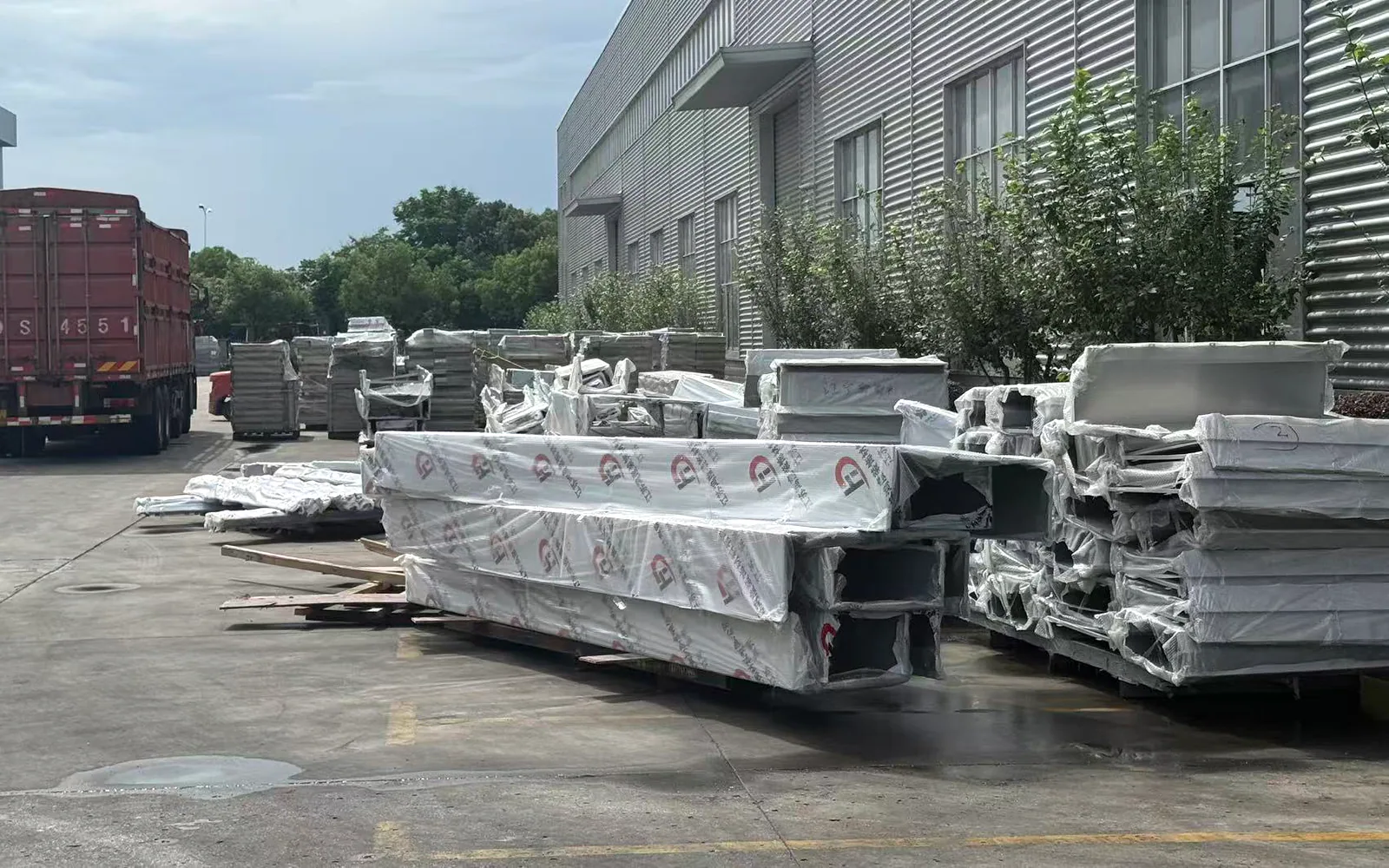
- Panel numbering, protection and export packing
- Delivery terms and excluded accessories
Do not compare unlike quotations
A lower quotation may use a different ACP skin thickness, core, aluminium thickness, finish or packing scope. Procurement teams should create a comparison sheet and record every assumption before choosing a supplier.
Manufacturing should begin from approved information
Jiangsu Yiding Metal Technology Co., Ltd. manufactures custom solid aluminium facade panels and ACP based on approved project drawings. We can review drawings from the manufacturing side, clarify fabrication inputs and identify whether the proposed panels are within our practical scope. Our role is manufacturing; we do not provide complete facade system design or installation.
If the material has not yet been confirmed, send the current drawings, specification and panel schedule. An experienced aluminium facade panel manufacturer can explain the production differences without replacing the project designer's approval process.