A facade panel does not have one universal tolerance
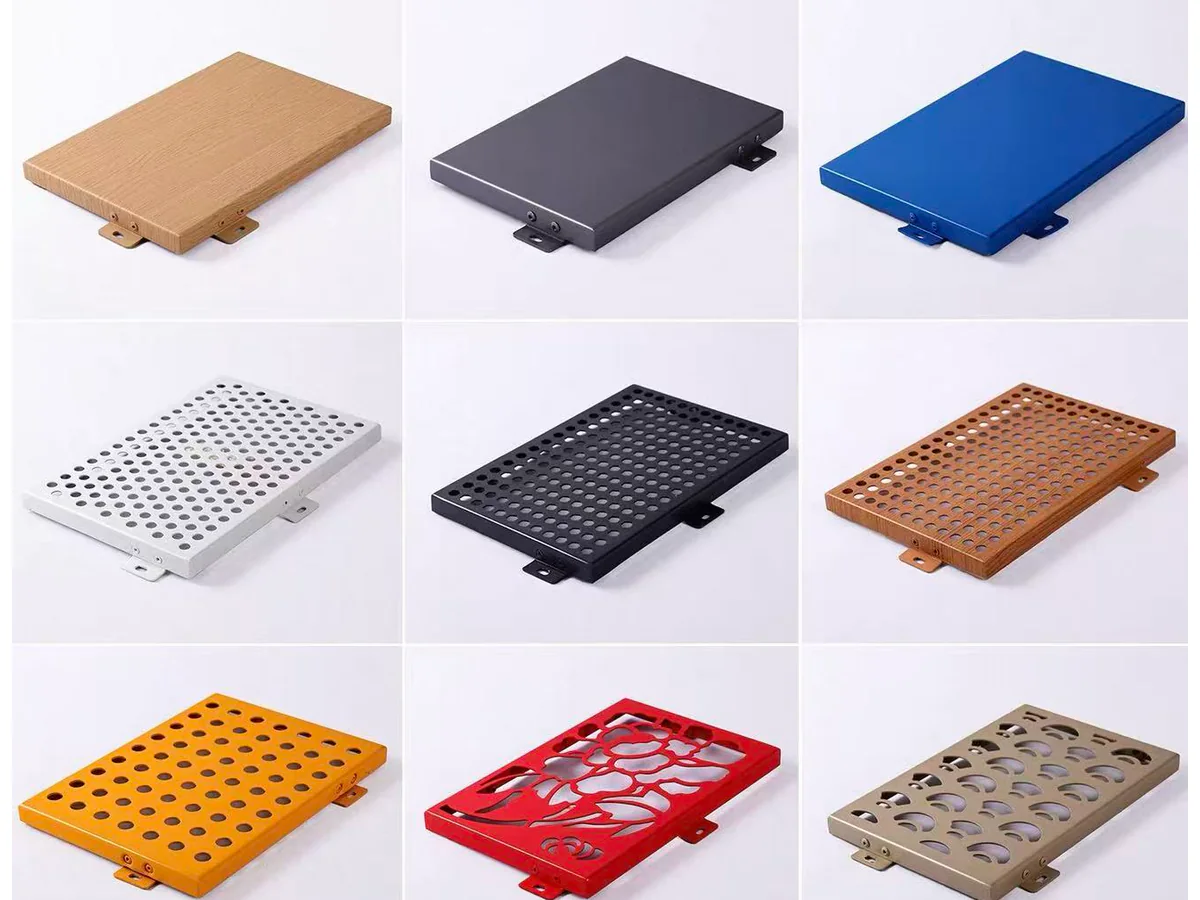
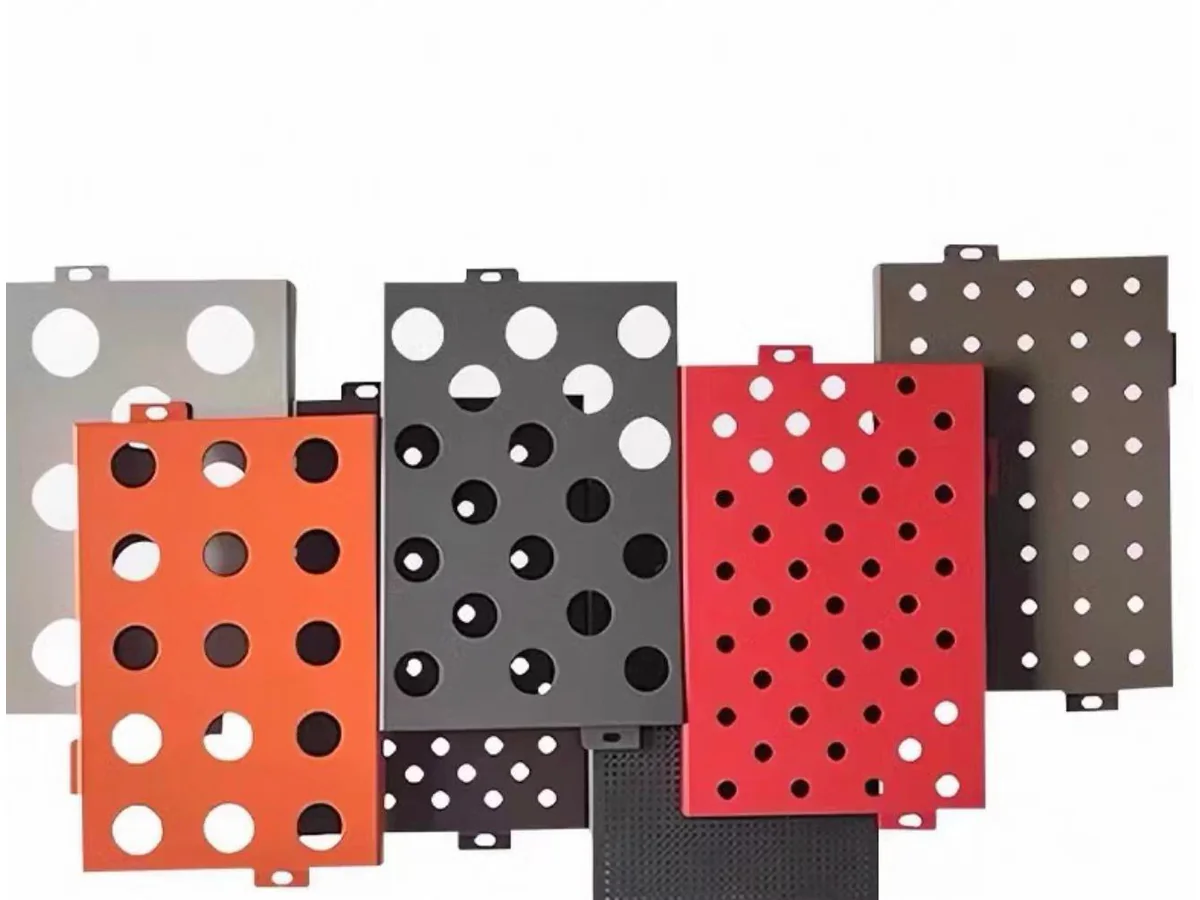
A fabricated panel has several characteristics that may need control: overall dimensions, diagonal difference, return depth, hole position, corner geometry, curvature and the relationship between fixing points. One general number cannot describe every feature.
Project requirements should identify which dimensions are critical to appearance, fit or interface. The manufacturer can then review how those requirements relate to material behaviour and the planned fabrication sequence.
Tolerance should be connected to function, appearance and the way the project will inspect the finished panel.
Joint design and fixing interfaces determine what matters
Visible joint width depends on more than panel size. Setting-out, substructure position, bracket adjustment, installation sequence and adjacent construction all contribute to the final relationship between panels.
Manufacturing drawings should distinguish panel dimensions from site setting-out dimensions and identify where adjustment is expected.
- Panel-to-panel joint and edge alignment
- Bracket, tab and fixing-hole locations
- Interfaces with glazing, stone, soffits or other materials
- Allowance for adjustable site connections
- Handed, mirrored and orientation-sensitive components
Forming and welding affect dimensional control
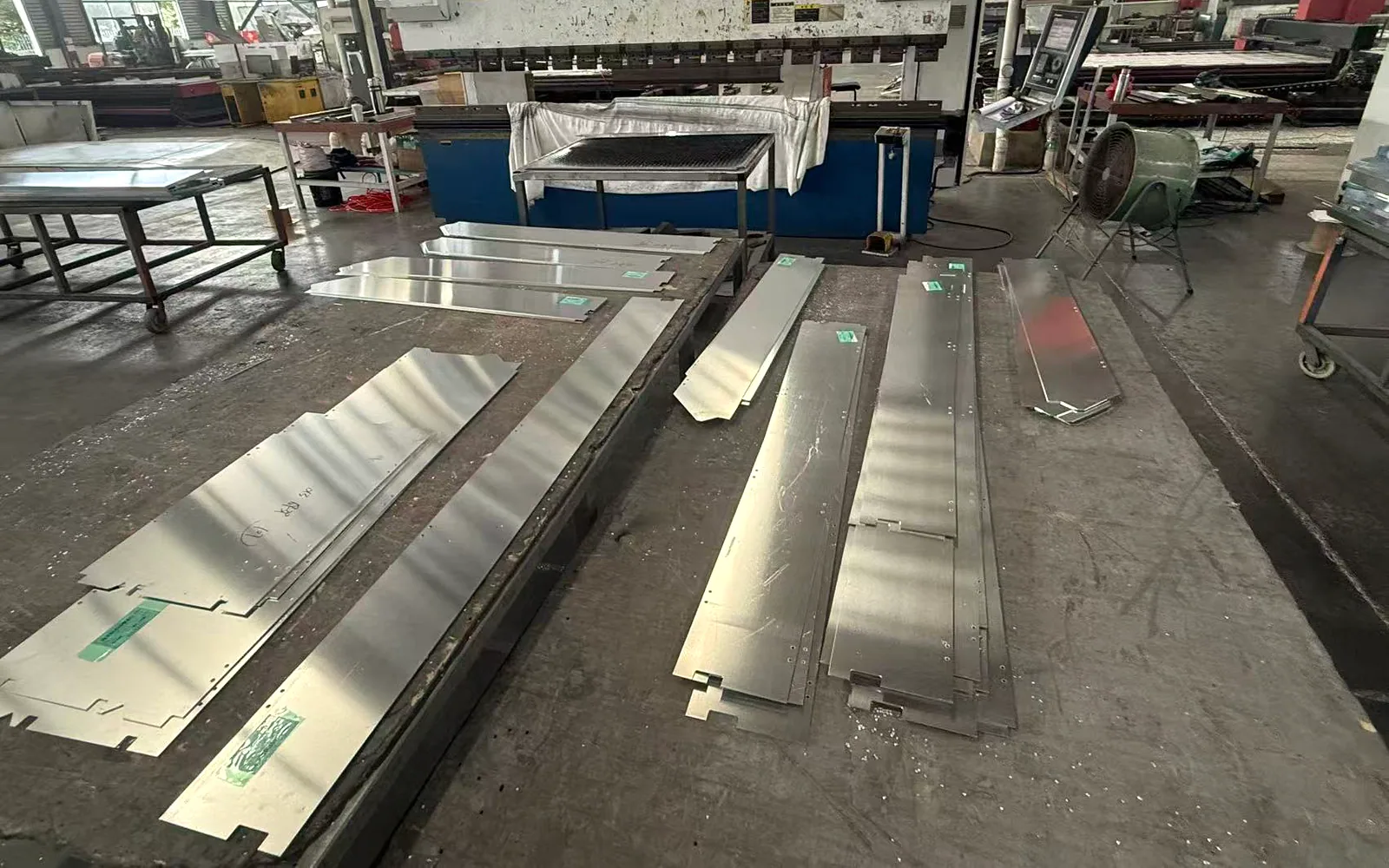
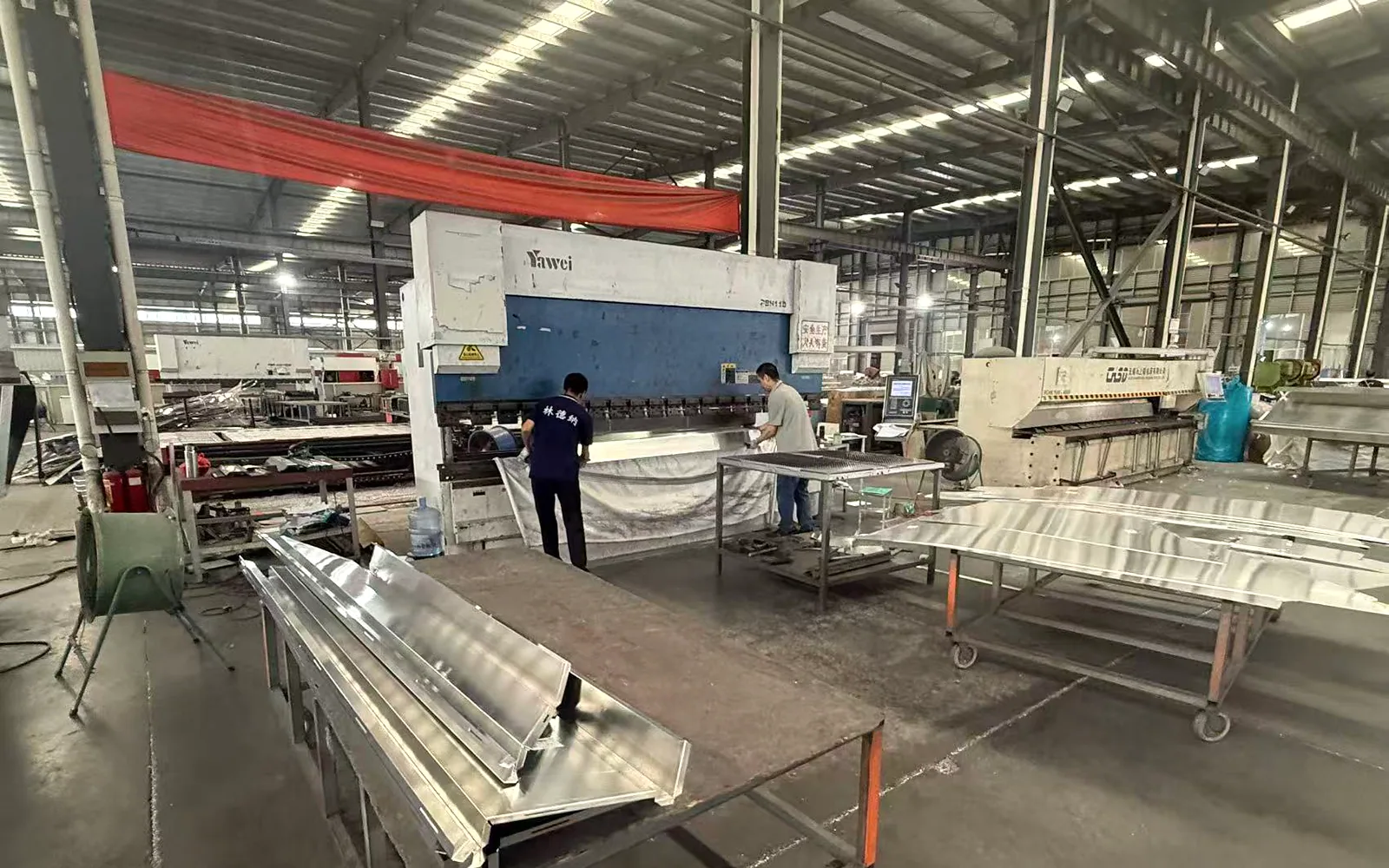
Multiple bends, narrow returns, curved shapes and welded corners can influence the finished geometry. Heat input, forming sequence and material springback should be considered when reviewing special-shaped components.
Where a feature is especially sensitive, an approved template, sample component or agreed checking fixture can be more useful than a note that is open to interpretation.
Agree when and how the panel will be measured
The project team should clarify whether inspection refers to the fabricated substrate, the finished panel or an assembled component. Protective film, coating build-up and handling condition may affect how measurements are taken.
Measurement tools, reference points and acceptance records should suit the feature being checked. Appearance review and dimensional inspection are related, but they are not the same activity.
Record critical requirements before production release
Approved drawings should identify control dimensions, reference datums and inspection expectations for repeated or sensitive parts. Revision control is essential when geometry or interface details change.
A practical tolerance discussion helps the manufacturer plan fabrication and inspection. It does not replace the project designer's responsibility for system performance or site installation requirements.