Panel dimensions are not a complete manufacturing scope
A request such as “3 mm aluminium panel, 1,200 × 2,400 mm” gives a manufacturer useful basic information, but it does not define the component that must be produced. A facade panel is a fabricated part with returns, stiffening, fixing points, joints, finish and project-specific identification.
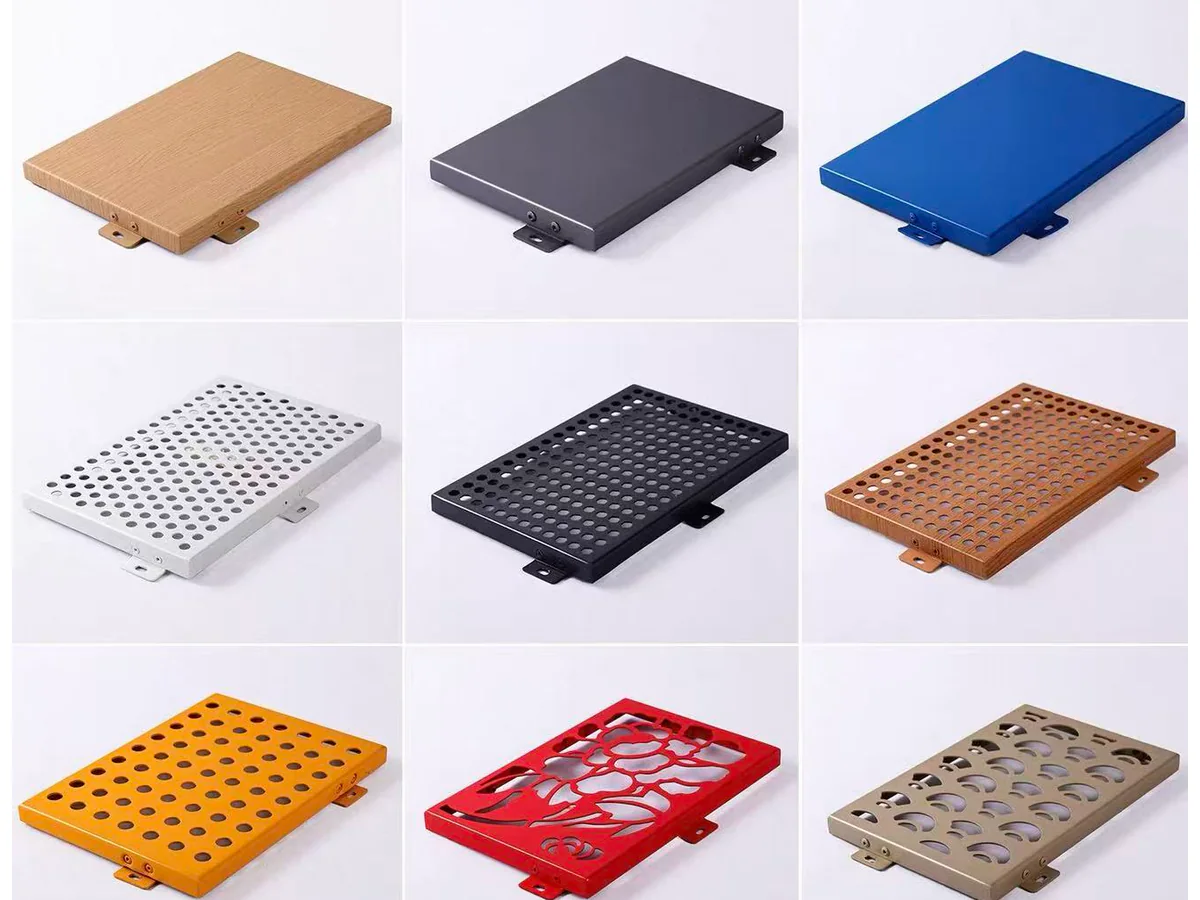
Two panels with the same size may have very different production costs if fabrication details are different. A flat rectangular panel with standard folds cannot be evaluated in the same way as a curved, welded or heavily perforated panel, even when the overall dimensions are identical.
Two panels with the same size may have very different production costs if fabrication details are different.
Material and surface finish affect both cost and process
Thickness and aluminium grade influence material usage, forming behaviour and handling. The selected finish adds another layer because colour, gloss, texture, exposure and approved samples can affect preparation and production planning.
- Panel thickness and specified aluminium grade or temper
- PVDF coating, powder coating or another specified finish
- Colour reference, gloss level and sample approval
- Protective film requirements and removal timing
Fabrication complexity must be visible in the drawings
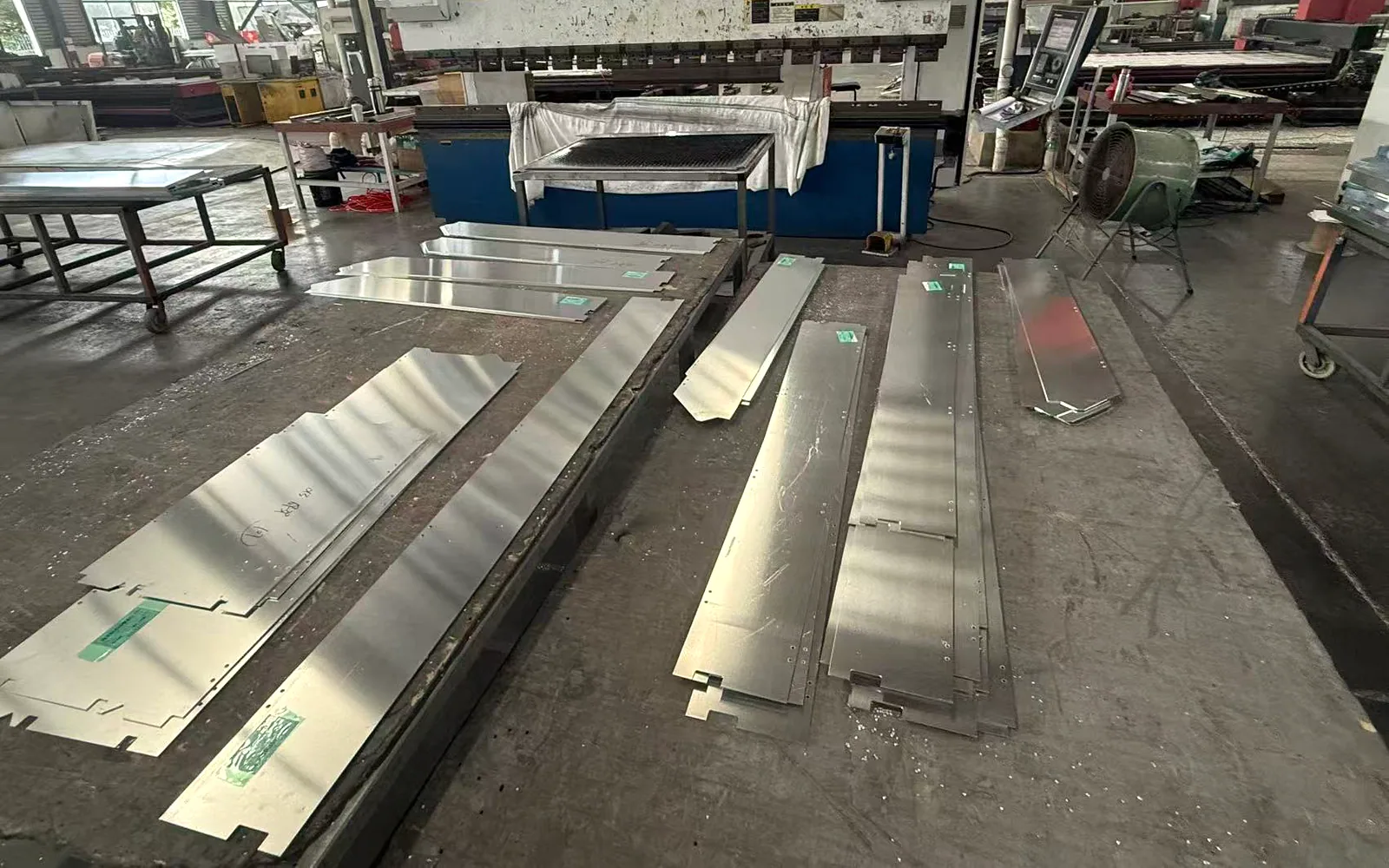
The quotation should reflect the operations required to turn sheet material into an installation-ready component. Bending quantity, return depth, corner construction, welding, grinding, perforation and curved geometry all influence processing time, tooling, handling and inspection.
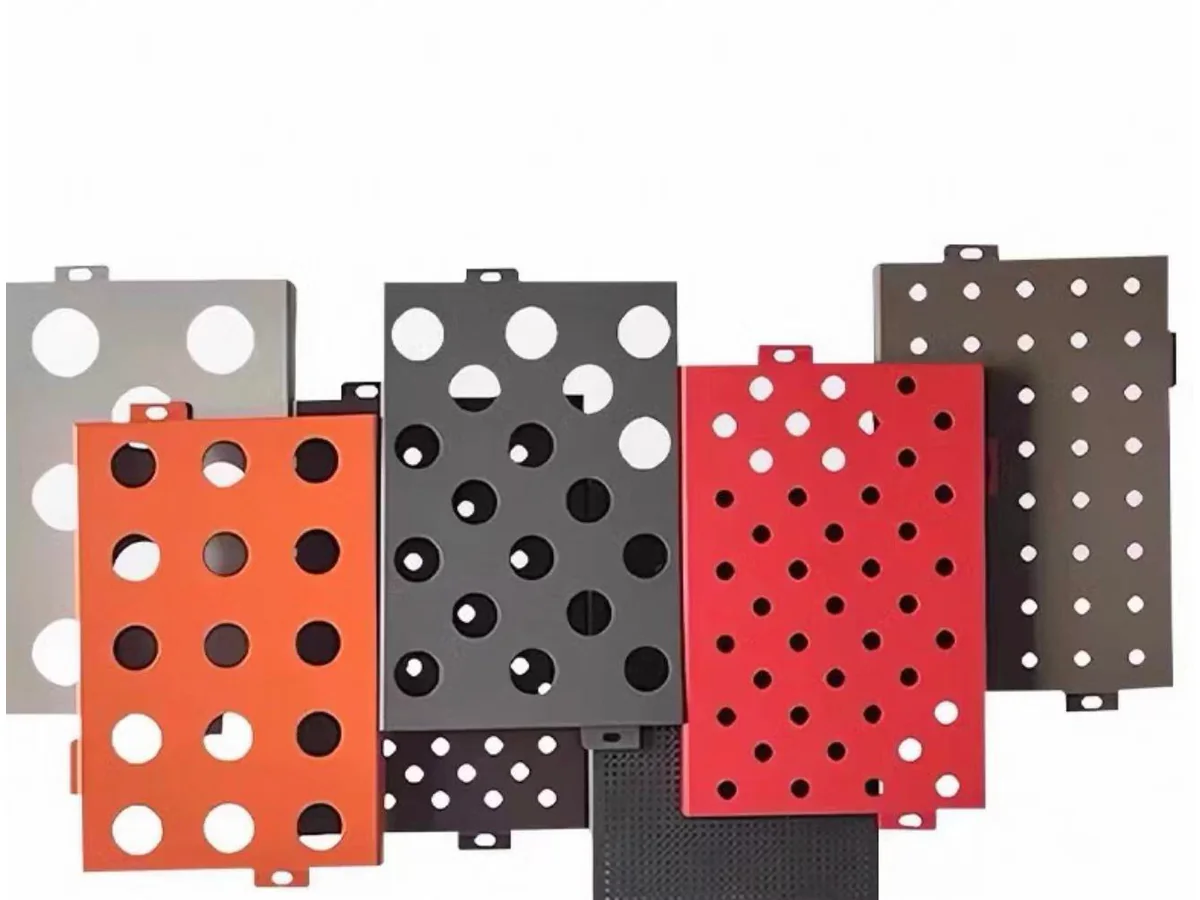
- Perforation pattern, hole size and open-area ratio
- Bending details, narrow returns and multiple fold directions
- Welded corners, reinforcement and visible-surface requirements
- Curved, tapered or other special-shaped designs
- Fixing tabs, brackets, stiffeners and the proposed fixing method
Project support and logistics belong in the quotation
A project quotation is also affected by how panels will be identified, protected, packed and released. Numbered panels packed by elevation or installation sequence require more coordination than unlabelled standard pieces.
- Panel numbering and label format
- Packing method, crate limits and edge protection
- Project quantity and batch sizes
- Required delivery schedule and phased shipments
- Delivery location and project documentation
What to send for a useful quotation
The most useful enquiry package combines drawings with a written specification. Elevations explain location; details explain folds and fixing; schedules define quantity; finish information explains appearance and exposure.
A responsible quotation should separate confirmed requirements from assumptions and exclusions. This reduces the risk of comparing prices based on different manufacturing scopes.