Packing is part of project delivery, not an afterthought
A finished aluminium panel can pass factory inspection and still arrive with avoidable damage if handling and packing are not planned. Export supply adds more transfers, storage periods and environmental exposure than a short local movement.
The packing method should reflect panel shape, finish sensitivity, shipment route, unloading method and the order in which material will be needed on site.
Good packing protects both the finished surface and the information needed to find each panel.
Protect faces, edges, corners and projecting details
Finished faces require clean separation and suitable protective materials. Edges, folded returns, corners, tabs and special-shaped areas may need additional support so that loads are not transferred through sensitive details.
- Protective film compatible with the approved finish
- Clean separators between finished faces
- Edge and corner protection at contact points
- Support for curved or projecting components
- Dry, clean packing before the crate is closed
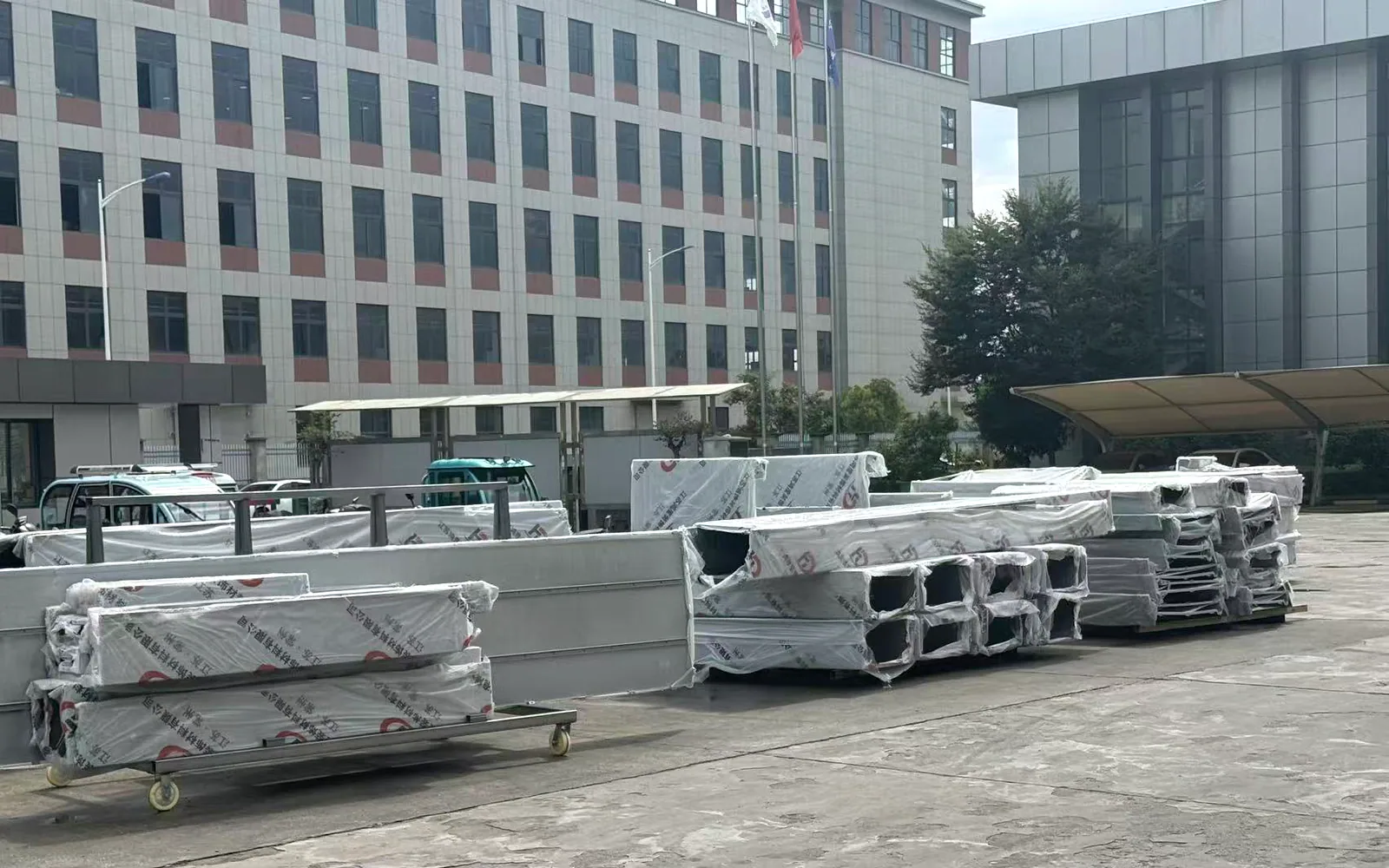
Crate dimensions and weight should follow the handling plan
A crate should be suitable for factory handling, transport, unloading and site movement. Very large or heavy packages may create difficulties even when they reduce the number of crates.
Confirm forklift access, lifting limitations, container arrangement and any site restrictions. The final packing plan should balance protection, handling efficiency and installation sequence.
Labels and packing lists connect delivery with installation
Each crate should have a clear reference, and the packing list should show which panel marks it contains. Labels need to remain legible during shipment without damaging finished surfaces.
Grouping by elevation, floor, zone or release batch can reduce searching. Priority panels and replacement items should be clearly identified rather than mixed into general stock.
Provide shipping information before production is complete
Packing decisions are easier when the manufacturer knows the destination, transport method, unloading equipment, storage conditions and required release sequence. Late changes may affect crate size, labelling and loading efficiency.
Packing cannot prevent every risk outside the factory, but a documented plan creates clear handling expectations from final inspection to project delivery.