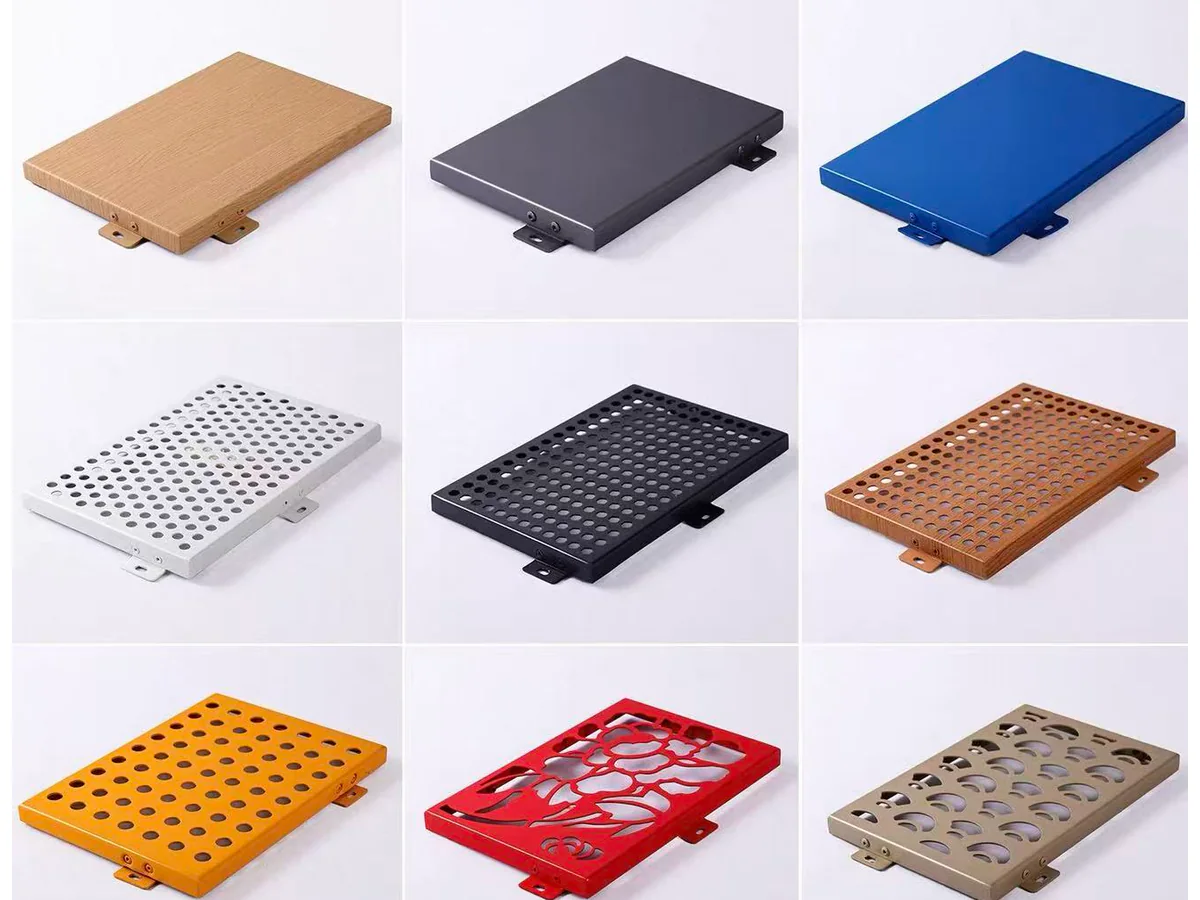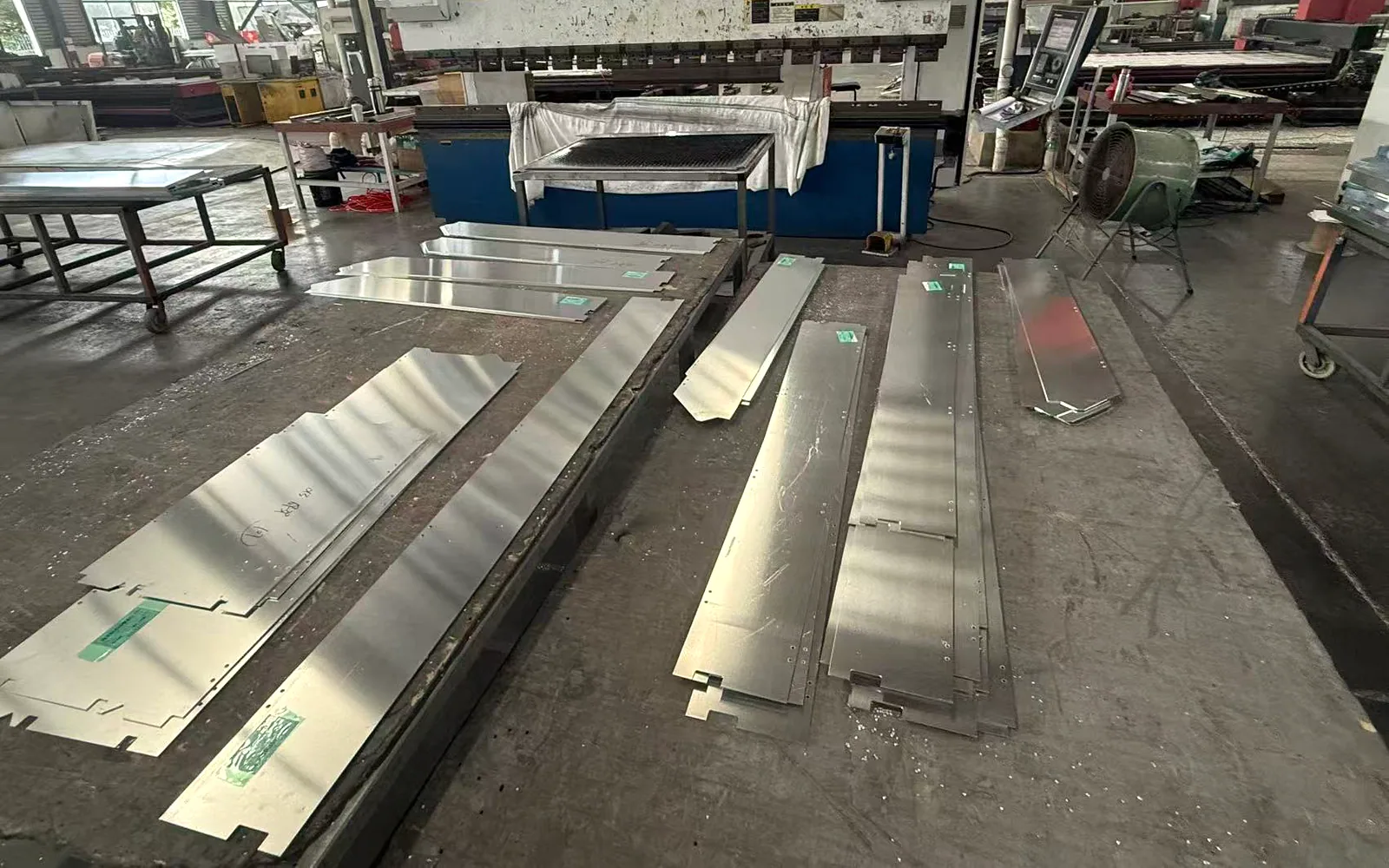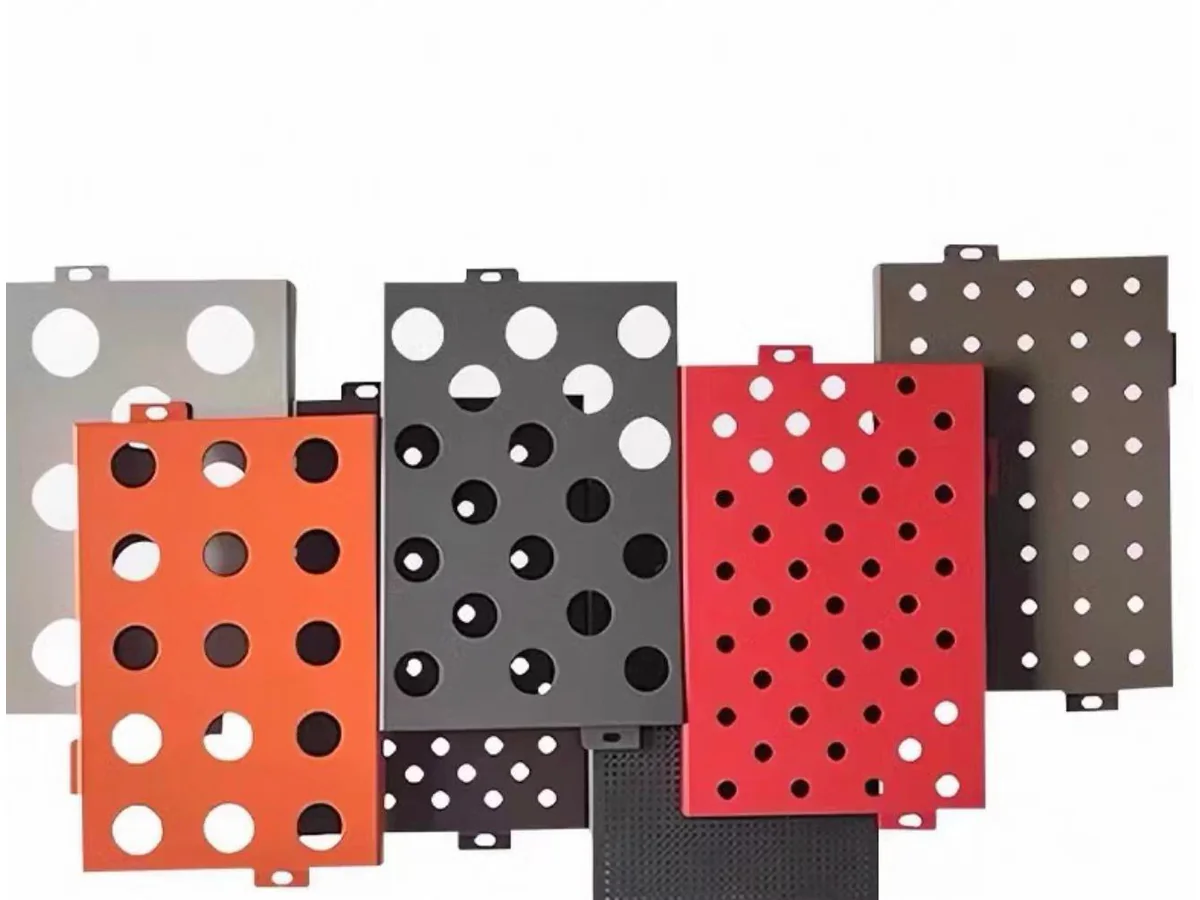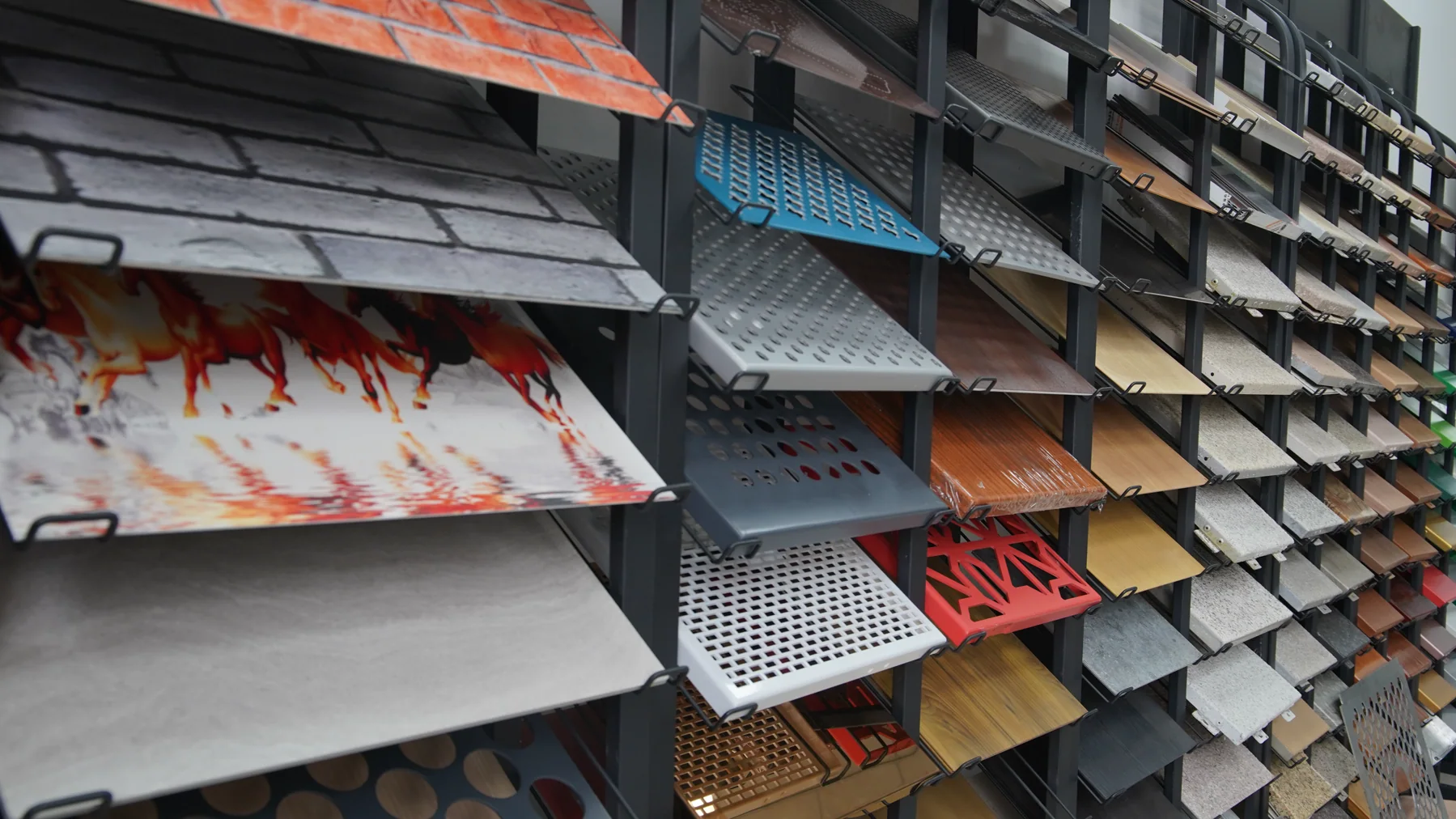
Different samples answer different questions
A small colour chip can support finish selection, but it cannot demonstrate panel flatness, corner construction, joint appearance or fixing interfaces. A fabrication sample can show workmanship details, while a larger mock-up can bring several materials and interfaces together.
Before requesting a sample, define the decision it is expected to support.
A sample should have a written approval purpose, reference and record of what was accepted.
Finish samples establish a controlled appearance reference
Finish review should identify colour reference, gloss or texture, substrate and the specified coating system. Directional or effect finishes may need more than one viewing angle and a sample size large enough to show variation.
The approved reference should be labelled and protected. Digital photographs are useful records, but they do not replace physical appearance review where the project requires a physical sample.
Fabrication samples reveal edges, corners and formed details
A representative fabrication sample can demonstrate fold quality, return depth, corner treatment, welding and grinding expectations, perforation near edges or the fit of a supplied stiffener or tab.
- Typical folded edge and return
- Welded or assembled corner condition
- Perforation, cut-out or patterned detail
- Curved transition or special-shaped feature
- Protective film, label position and finished-face handling
Project mock-ups coordinate panels with adjacent work
A project mock-up can bring aluminium panels together with joints, glazing, sealants, substructure or other cladding materials. Its scope and responsibility should be agreed by the project team.
The panel manufacturer can supply components to approved drawings and review manufacturing observations. System performance, installation and testing remain subject to the responsible project parties and specified procedures.
Record approval status and changes before production
Every sample should have an identifier, date, revision and approval status. Comments should distinguish accepted features from items that require change. When a finish or detail is revised, superseded references should be removed from production use.
Linking approved samples to drawings, specifications and production releases helps prevent different teams from working to different references.