Manufacturing quality must be protected through delivery
A finished facade panel can pass factory inspection and still create a project problem if its surface is damaged, its label is missing or it arrives in a package that does not match the site sequence. For international orders, identification and protection should be planned as part of the manufacturing scope.
Packing cannot remove every transportation risk, and responsibility depends on the agreed commercial and shipping terms. It should, however, be designed around the panel geometry, finish, quantity, handling method and information available from the project team.
Packing requirements should be agreed before production is complete, not treated as an afterthought at dispatch.
Why panel numbering matters
Custom facade projects may contain hundreds or thousands of components with different dimensions, hands, finishes or installation locations. A panel code connects the physical component with the approved panel schedule and installation information.
The code format should be agreed early and remain consistent on drawings, labels, packing lists and replacement records. It may identify elevation, floor, zone, panel type and sequence, but it should stay readable and unique.
- Different elevations and floors
- Corners, columns and entrance zones
- Mirrored or handed components
- Colour or finish blocks
- Special architectural areas
- Phased production and installation releases
Labels should identify without damaging
Label position and adhesive should be compatible with the protective film and finish. Identification needs to remain legible through factory handling and delivery without marking the finished architectural surface.
Protect finished surfaces from contact and movement
Architectural finishes can be marked by friction, sharp edges, loose accessories or debris during transport. Panels should be separated so that finished faces and vulnerable edges do not rub directly against one another.
The practical method depends on finish, dimensions, weight, geometry, quantity and transportation route. Protective film, interleaving, corner protection, supports and restraints must be appropriate to the actual panel rather than copied from an unrelated shipment.
Choose a packing arrangement for the component and handling plan
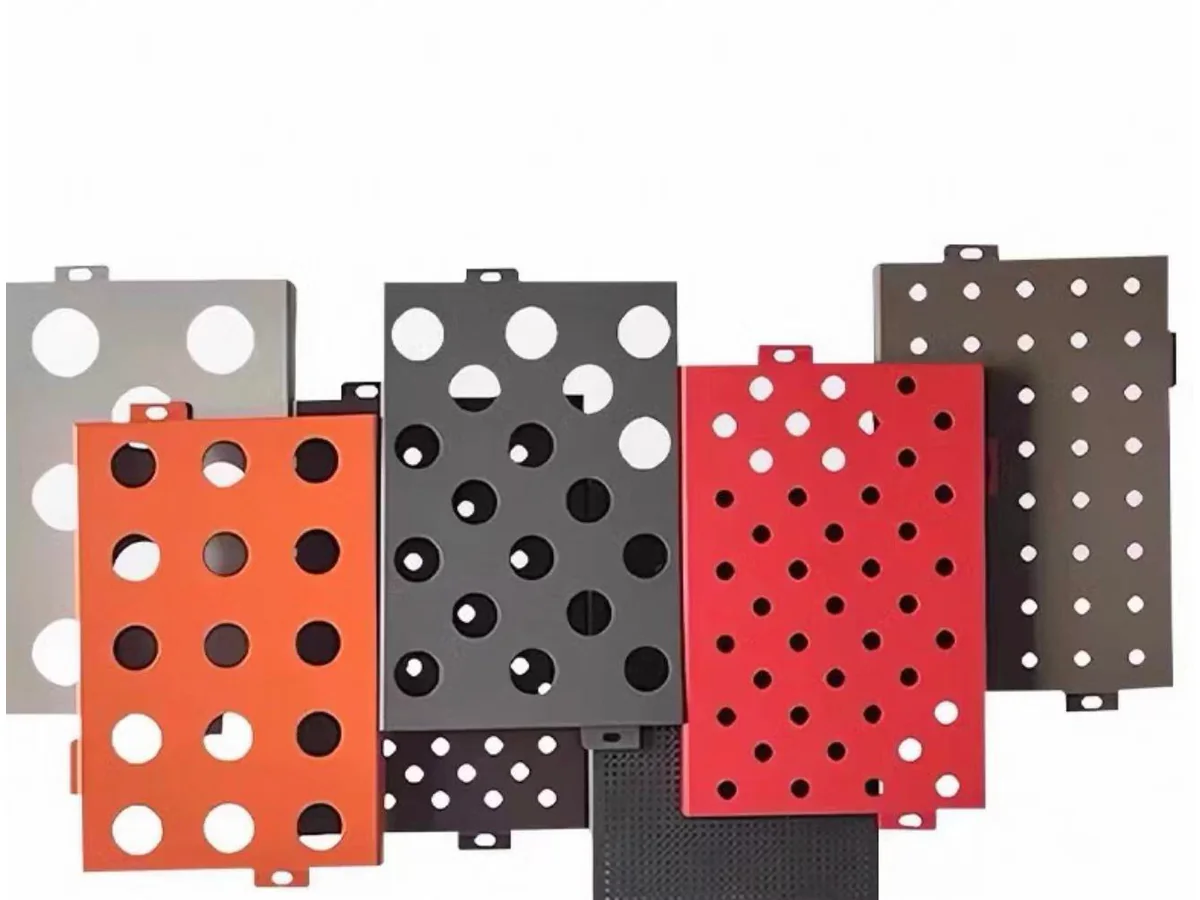
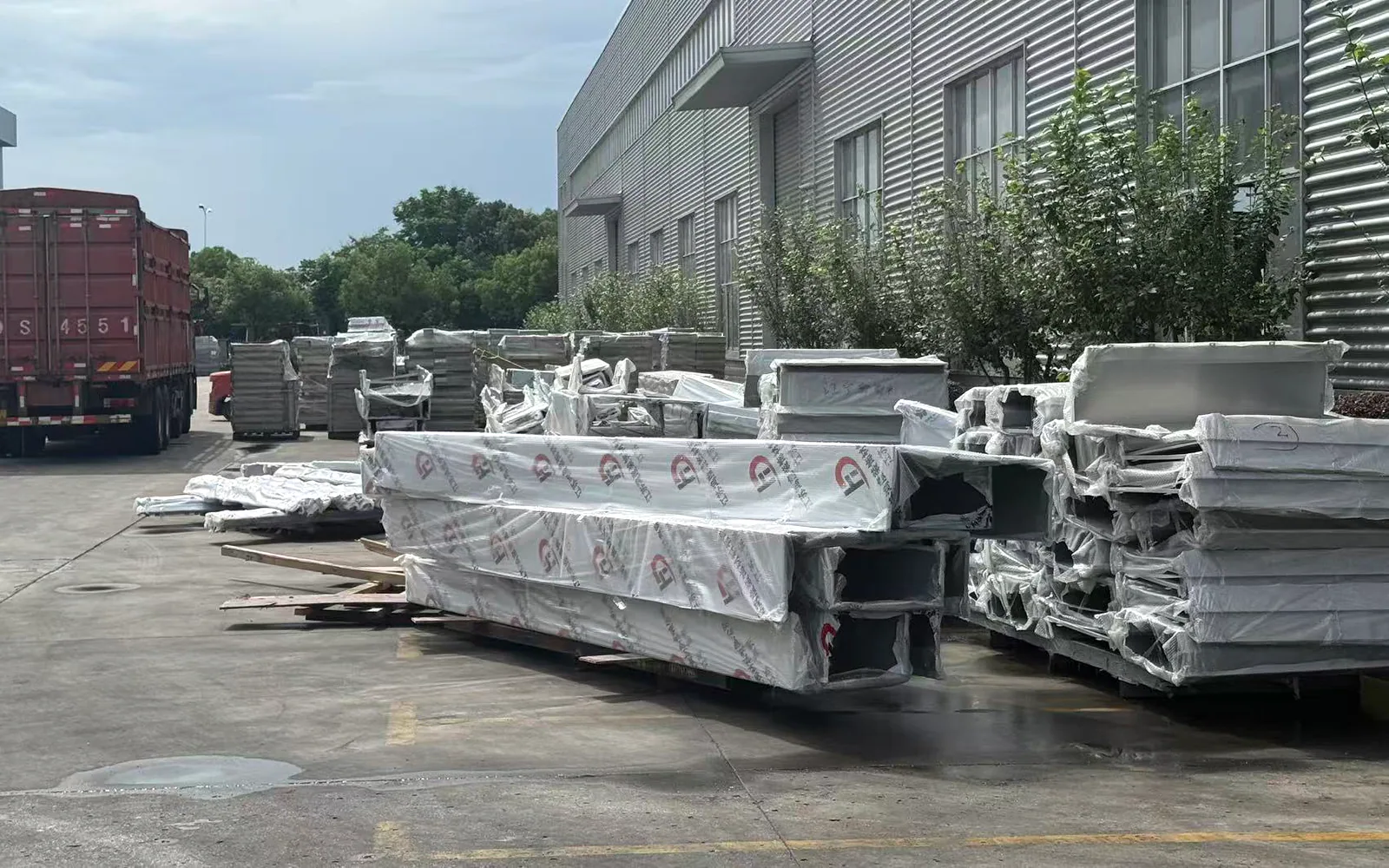
Suitable panels may be arranged on transport frames or in cases with protective separation between layers. Special-shaped, perforated or deep-return panels may need different support from flat components. The package should limit movement while avoiding pressure that can deform a vulnerable area.
The site's packing and shipping overview shows real YIDING protection and loading operations. The final method for any order remains subject to the agreed project and transport requirements.
Plan for safe unloading
Package size, lifting points and gross weight should be communicated where required. The site team needs suitable access, equipment and storage space. A package that protects panels in transit must also be practical to unload under the project's real conditions.
Group panels around the project sequence where information allows
When approved project information is available, packages can be grouped by elevation, floor, zone, panel type or installation sequence. This can reduce searching and repeated handling on site.
Sequence packing is only reliable when the installation plan and panel schedule are stable. If the site order changes after packing, the contractor may need to reorganise material. That is why the required grouping and latest approved release should be confirmed before final packing begins.
- Elevation or facade zone
- Floor or installation level
- Panel type and finish
- Installation phase
- Priority or replacement components
Packing records support receiving and traceability
A packing list can show package numbers, panel codes and quantities. Photographs or internal records may support dispatch checks when included in the agreed workflow. Commercial and shipping documentation depends on the contract, route and responsible logistics parties.
The panel schedule used for packing should match the latest manufacturing drawings. If a drawing revision changes a panel after it has been packed, the affected label, package record and replacement status should be updated together.
Clarify transport and site conditions before final packing
For larger projects, the contractor and manufacturer should discuss unloading conditions, storage limitations, maximum package dimensions, delivery sequence and any destination-specific packaging or documentation requirements.
The manufacturer needs to know whether shipments are phased, consolidated or transferred between transport modes. The buyer should also confirm who arranges freight, insurance, customs processes and site unloading under the agreed delivery terms.
Plan how packages will be stored and opened on site
Delivery is not the end of protection. Packages may remain on site before installation, so the contractor should plan a stable, suitable storage area and follow the project requirements for weather exposure, ventilation, stacking and access. Panels should not be left where other trades, moving equipment or uncontrolled moisture can damage finished surfaces.
The opening sequence also matters. Site teams should identify the package, check its records and use an appropriate handling method before removing restraints or lifting panels. Protective film and separators should be removed or retained according to the finish supplier's and project's instructions. If damage or shortage is found, recording the package number and panel code supports clearer communication with the supplier.
Keep the delivery objective simple and measurable
The objective is for the panel made to the approved drawing to arrive protected, identifiable and connected to the correct project location. Clear codes and package records allow receiving teams to report shortages or damage against specific items rather than vague descriptions.
Jiangsu Yiding Metal Technology Co., Ltd. manufactures customised aluminium facade panels and can number and pack them according to agreed project requirements. We manufacture based on approved drawings; we do not provide installation. When evaluating a China aluminium facade panel manufacturer, include packing and identification in the supplier discussion rather than comparing panel prices alone.