Treat supplier selection as a project review, not a catalogue purchase
Custom facade panels are made for a particular building, drawing revision, finish and delivery plan. A supplier that offers a competitive price but does not understand the panel details can create clarification, approval and replacement problems later.
Facade contractors, aluminium and glazing companies, consultants, developers and procurement teams should therefore evaluate the complete working method. Price matters, but it should be compared only after the technical scope is aligned.
The right starting question is not only ‘What is your price?’ but also ‘Can you manufacture this approved panel scope consistently?’
1. Start with the required manufacturing capability
Send representative drawings, panel dimensions, material construction, finish requirements, quantities and special details. Ask the factory to identify which parts are routine, which need clarification and which may be outside its practical capability.
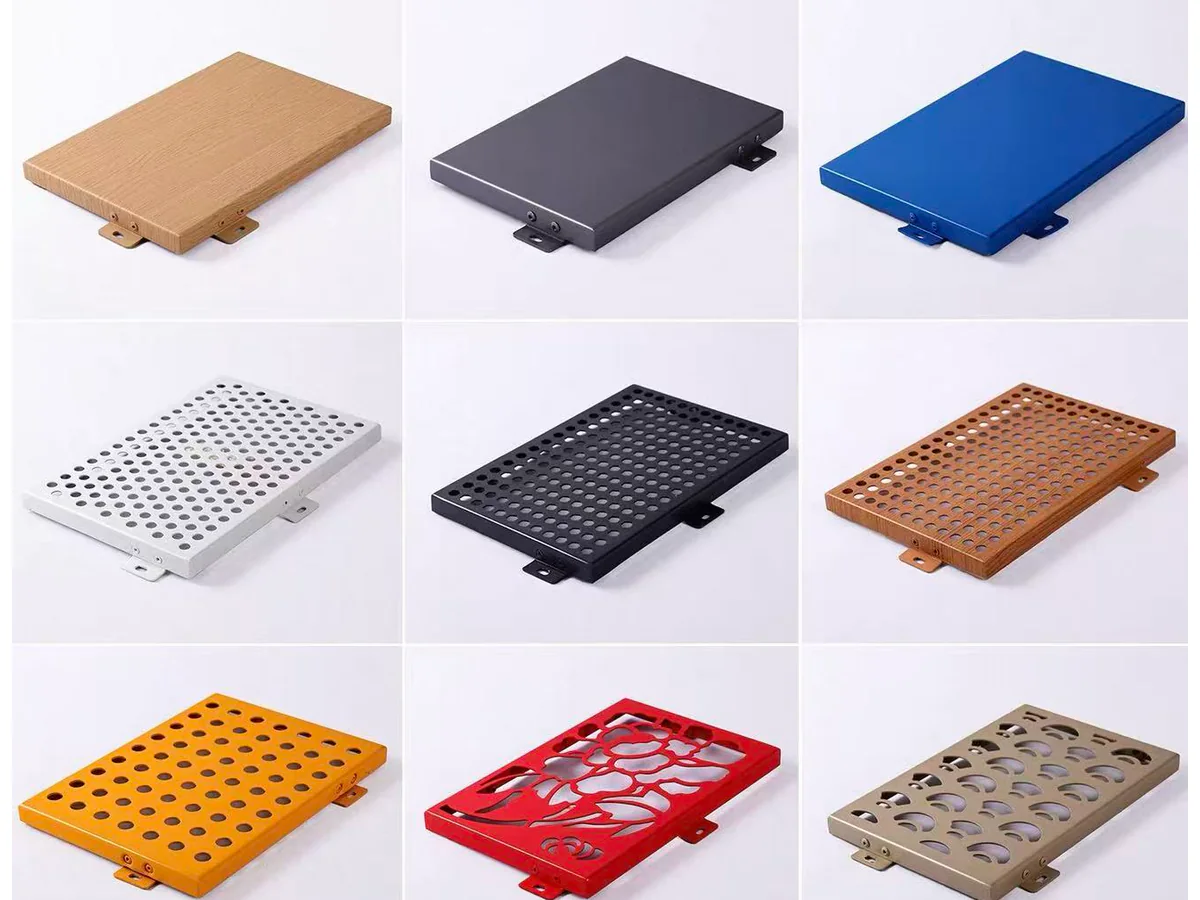
The supplier should understand the difference between solid aluminium panels and ACP. It should also explain how flat, folded, perforated, welded or special-shaped details affect production without promising processes it cannot verify.
Look for clear limitations
A responsible manufacturer identifies limitations before order acceptance. Unqualified promises create more risk than a clear explanation of tooling, forming, size or finish constraints. Jiangsu Yiding Metal Technology Co., Ltd. does not claim capability for large hydraulically pressed bullnose or large hydraulic-formed curved panels.
2. Separate facade design responsibility from manufacturing
The architect, facade consultant and project engineers normally define the facade system, structural criteria, fixing concept, performance requirements and approved detailed design. The panel manufacturer focuses on producing components from the approved information.
A factory can review drawings from the manufacturing side, raise unclear dimensions, discuss fabrication sequence and identify practical constraints. That is different from providing complete facade system design, structural engineering or installation.
- Project team: system concept, engineering criteria and approvals
- Manufacturer: fabrication review and production to approved drawings
- Contractor: project coordination, installation planning and site execution
- Procurement: aligned scope, commercial terms and change control
3. Evaluate drawing communication before price negotiation
Many manufacturing problems begin with unclear or conflicting information. A supplier should ask specific questions when panel schedules, details and specifications do not agree. It should record revisions rather than manufacture from an informal assumption.
Prepare the information described in our guide to drawings and specifications required for quotation. Then compare how potential suppliers respond: do they identify missing panel depth, finish, quantity or edge details, or do they return a price without establishing the scope?
Use one controlled revision
Ask every bidder to quote the same drawing revision and BOQ. Later clarifications should be recorded with dates and affected items so procurement can distinguish a scope change from an original pricing error.
4. Review relevant fabrication and sample capability
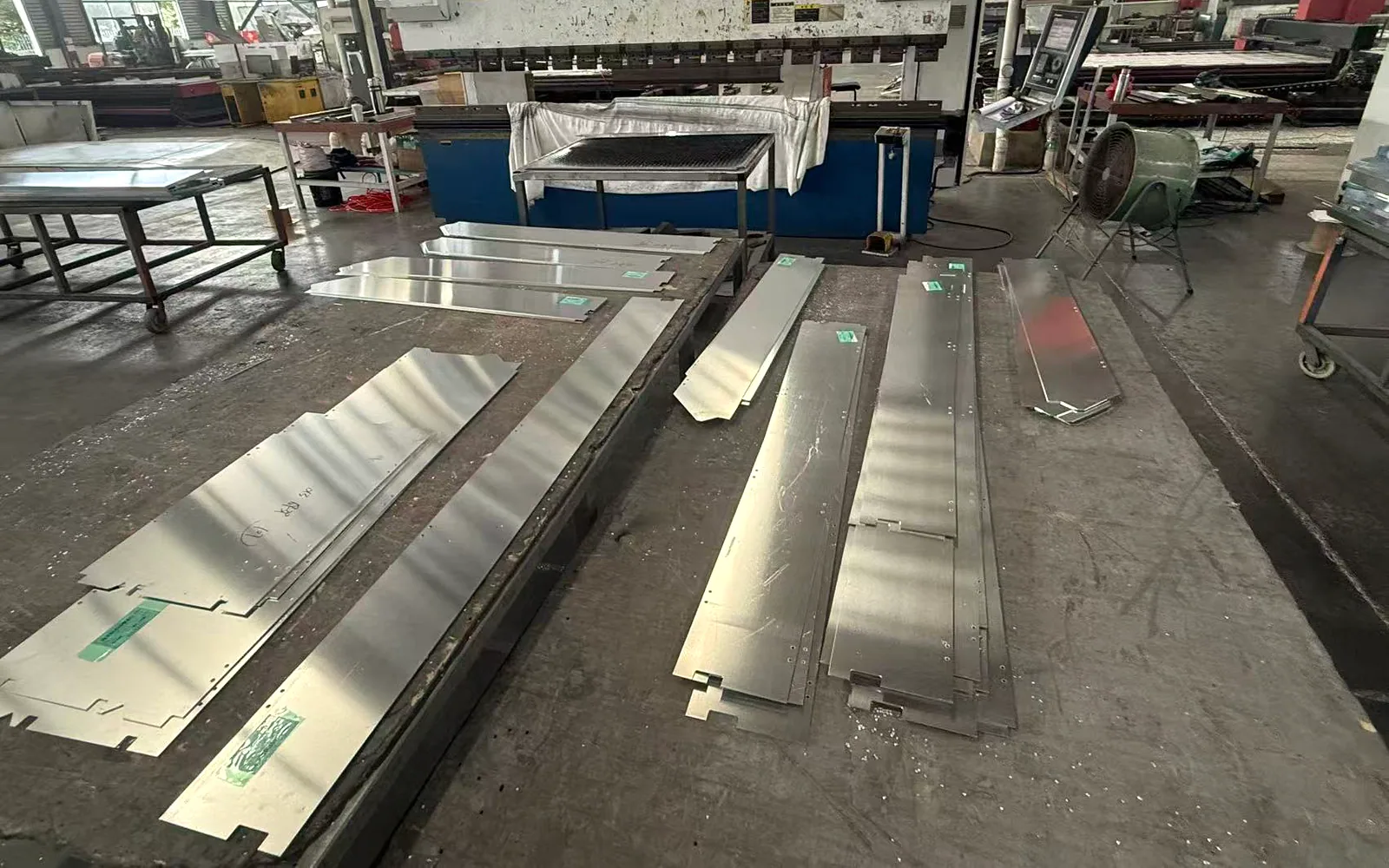
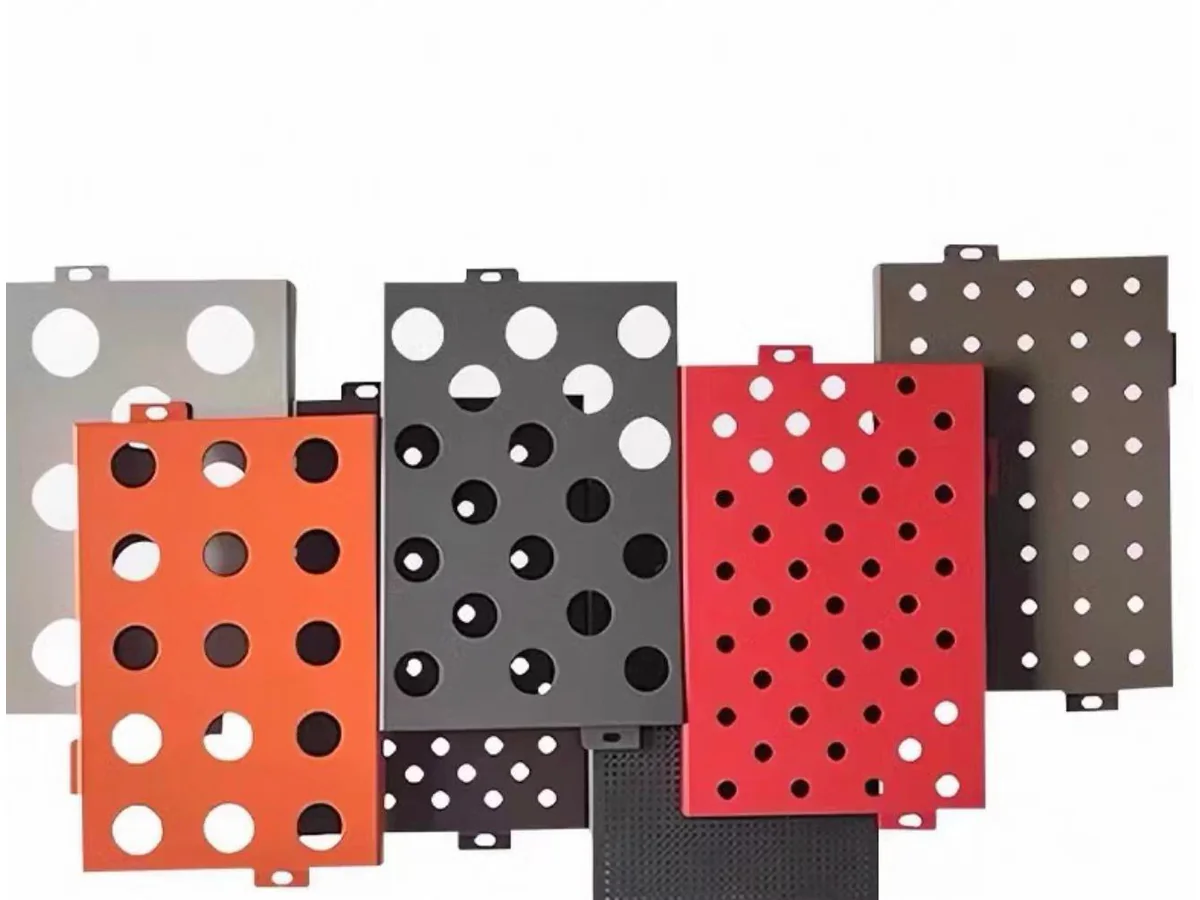
Depending on the project, production may involve cutting, punching, conventional folding, welding, perforation, preparation and surface finishing. If perforated aluminium panels are included, provide pattern and open-area information so the factory can review hole layout, bends and fixing exclusion zones.
Ask what kind of sample is appropriate for the approval decision. A colour chip, fabricated corner sample and larger project mock-up answer different questions. The sample should be connected to a material, finish, drawing revision and written approval status.
5. Ask how the factory controls the approved scope
Quality discussion should be specific to the product and contract. Ask how the factory checks material identity, key dimensions, folds, welded or assembled details, appearance, panel codes and protection against the approved references.
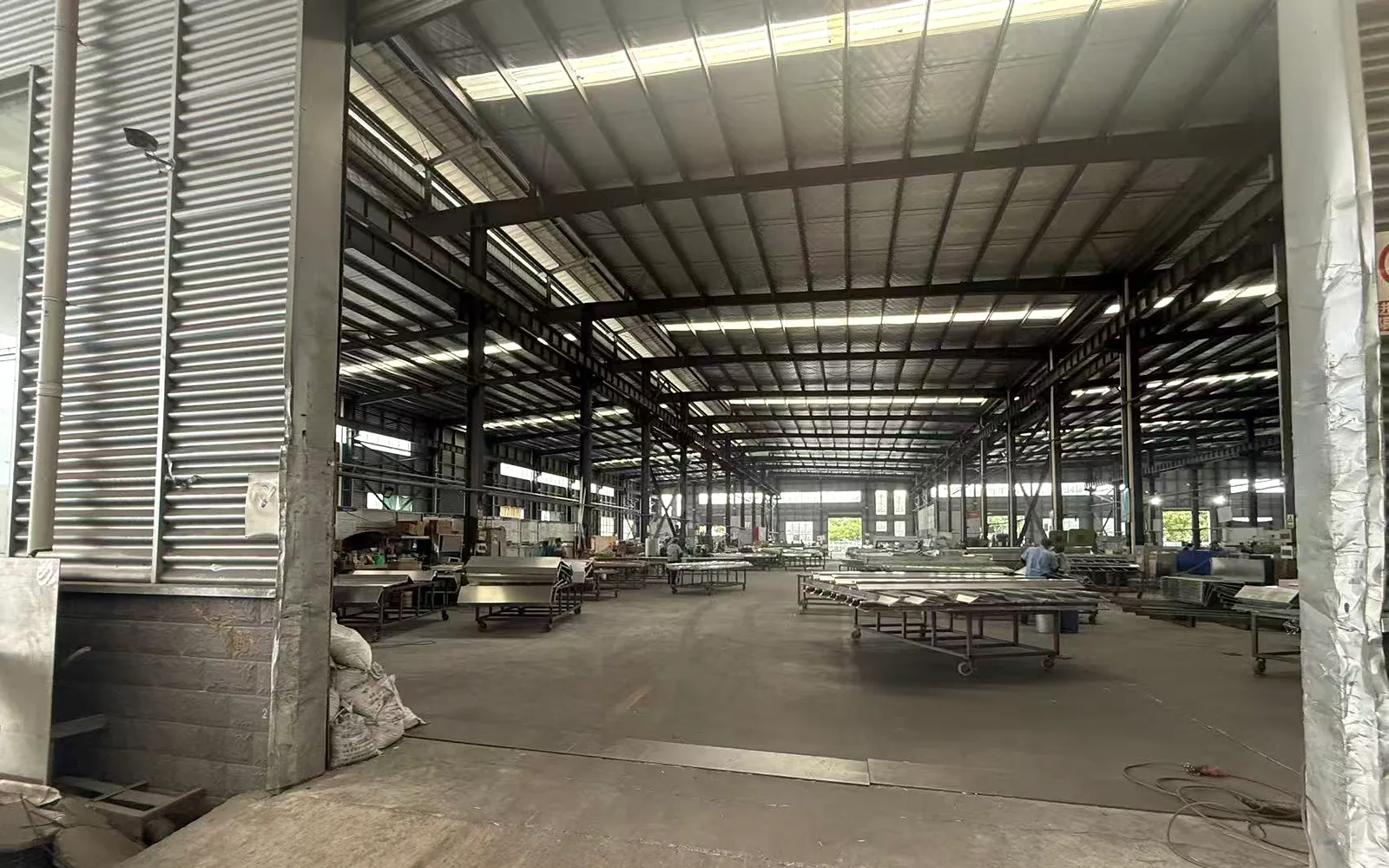
Review the supplier's actual factory and manufacturing information and quality-control approach. Real process photographs are more useful than unrelated stock imagery, but project-specific inspection requirements still need to be written into the order.
- Incoming material and approved specification
- First-piece or sample review where required
- Key dimensions and fabrication details
- Finish appearance against the agreed reference
- Panel numbering and package records
- Non-conformance and replacement communication
6. Compare quotations line by line
A very low price may reflect a different thickness, ACP skin construction, finish, panel quantity, fabrication assumption or packing scope. Create a comparison sheet instead of looking only at one total or unit rate.
- Aluminium or ACP construction and thickness
- Alloy, temper or core requirement where specified
- Flat and special fabrication scope
- Finish, colour and sample requirement
- Accessories or reinforcement included in supply
- Panel labels, protection and packing
- Delivery terms, taxes, freight and exclusions
- Drawing revision and quotation validity
Keep alternatives separate
If a supplier proposes a value-engineered alternative, it should be described and priced separately. The project team can then review it through the formal approval process without confusing it with the specified base offer.
7. Include identification and international packing
International project supply continues after fabrication. Ask how the manufacturer keeps panel codes connected to drawings, separates finished surfaces, prepares package lists and groups components for shipment.
Our guide to export packaging for aluminium facade panels explains why package grouping, labels and unloading information should be discussed before dispatch. These items can affect site efficiency even though the manufacturer is not the installer.
8. Check commercial clarity and day-to-day communication
Time-zone differences do not have to prevent clear coordination. The important points are defined contacts, written questions, revision records, response expectations and a controlled method for approving samples and production releases.
Confirm payment terms, delivery terms, packaging scope, documentation, change-order process and responsibility for freight and customs. Commercial clarity should match the technical clarity of the quotation.
A practical manufacturing scope for project teams
Jiangsu Yiding Metal Technology Co., Ltd. manufactures custom solid aluminium facade panels and ACP in China for project-based supply. Production is based on approved drawings. We can review those drawings from the manufacturing perspective and discuss fabrication feasibility, samples, panel identification and packing.
We do not provide complete facade system design or installation. International contractors, facade companies and procurement teams can review our product range, project references and contact information before sending a controlled inquiry.